Mona-Lisa-1: What We Know About the Mysterious AI Image Model
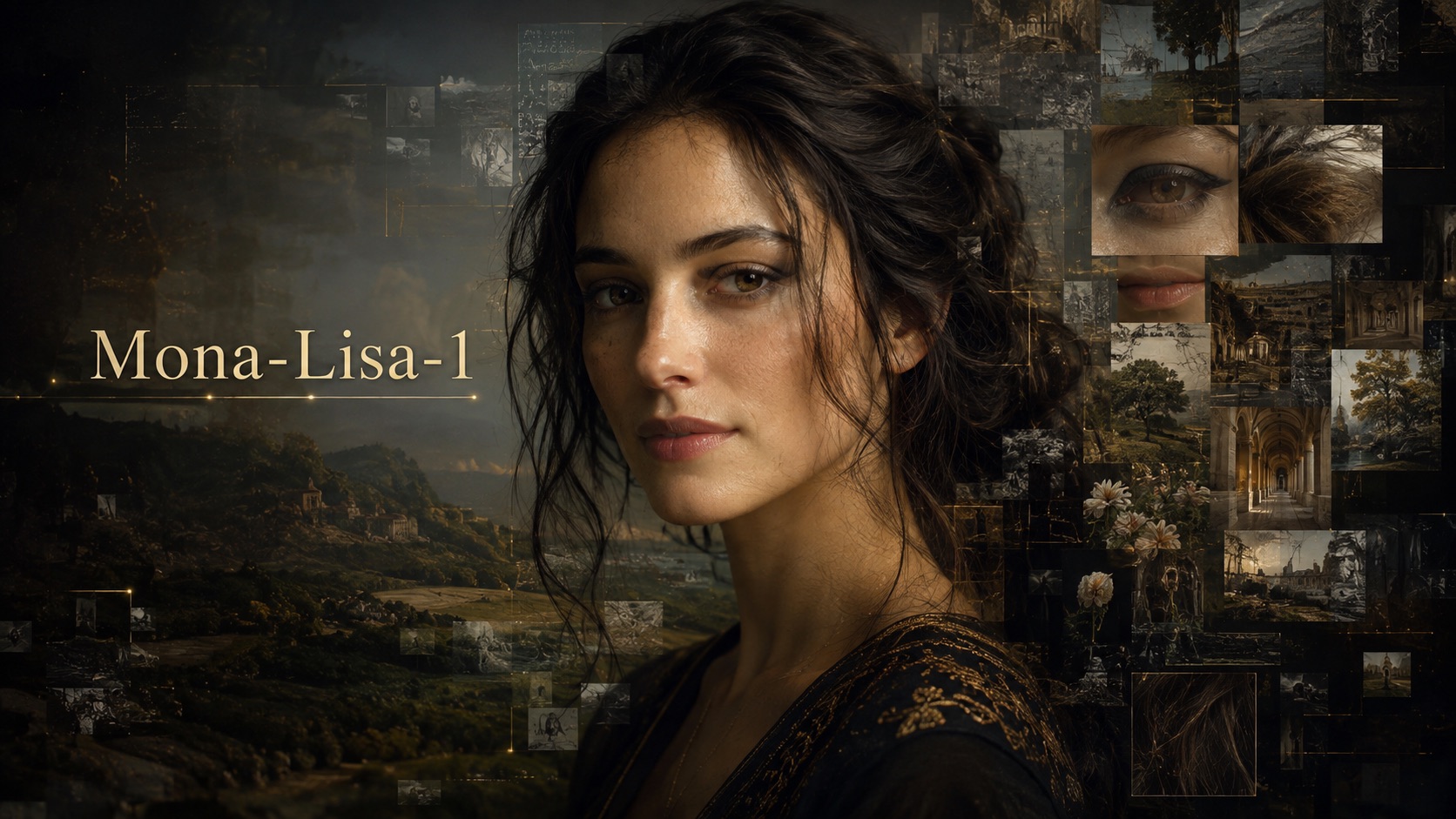
Mona-Lisa-1 is drawing attention for its rumored OpenAI connection and impressive early image results. This article looks at its photorealism, natural textures, complex scene handling, and why testers are already comparing it with GPT Image 2.
A new AI image model known by the codename mona-lisa-1 has recently appeared in anonymous image-generation tests on Arena, and it did not take long for people to start paying attention.
Part of the interest comes from speculation that the model may be connected to OpenAI. Testers have reported that images generated by mona-lisa-1 were recognized by OpenAI’s verification tooling as carrying OpenAI provenance signals, adding fuel to the idea that it could be an experimental OpenAI image model. OpenAI, however, has not publicly introduced a model under this name.
That possible connection helped put mona-lisa-1 in the spotlight, but the quality of the images coming out of early tests has given people another reason to keep watching it.
Why Is Mona-Lisa-1 Getting So Much Attention?
An unidentified model linked by testers to OpenAI would already be enough to generate curiosity, especially when OpenAI’s current GPT Image models are widely used for image generation and editing.
But mona-lisa-1 has attracted additional attention because early users are reporting visible improvements in some of the areas where AI-generated photographs can still look artificial.
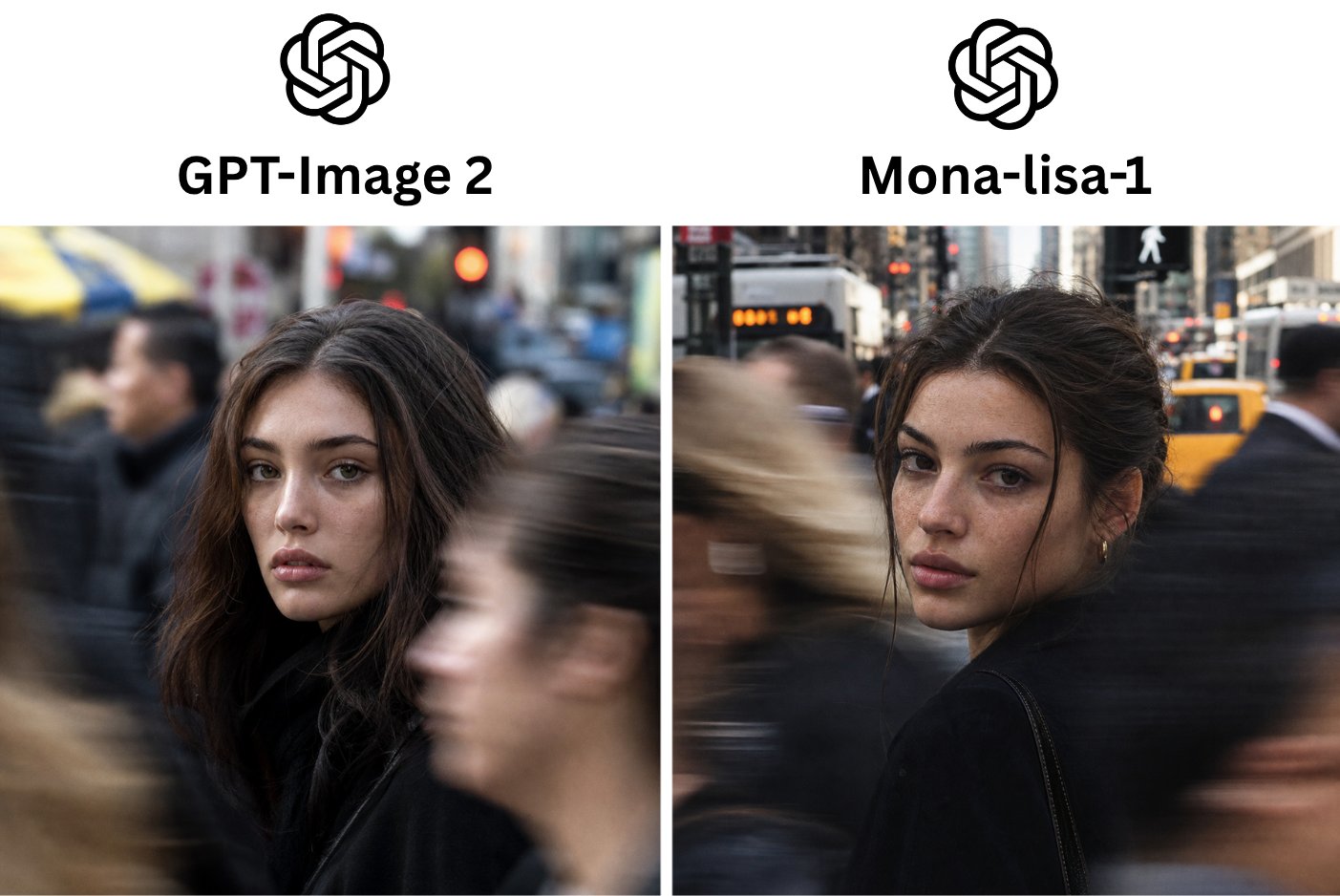
Community comparisons have highlighted stronger realism, richer texture, and less of the glossy or “plastic” appearance often associated with generated faces and surfaces. Some testers have already started putting mona-lisa-1 side by side with GPT Image 2 to see how large those differences really are.
So the current buzz comes from a combination of two things: the possibility that this is an upcoming OpenAI model and early results that appear strong enough to make that possibility especially interesting.
What Stands Out About Mona-Lisa-1’s Images?
The most noticeable characteristic in the examples shared so far is photorealism.
Instead of making every photograph look perfectly polished, mona-lisa-1 seems capable of preserving more of the small irregularities found in real photography.
Skin can show natural texture rather than looking completely smoothed. Hair does not always fall perfectly into place. Lighting can include harsher highlights, uneven exposure, or shadows that feel more like those produced by an actual camera.
This may sound like a small improvement, but it addresses one of the easiest ways to recognize many AI images: they can look almost too clean.
Early testers have specifically pointed to reductions in synthetic-looking skin and glossy surfaces when comparing the model with existing image generators.
For casual portraits, street photography, lifestyle scenes, and other images that are supposed to look spontaneous, those imperfections can actually make the result more convincing.
 (Source: @Tim Jayas / X)
How Does It Handle More Complex Images?
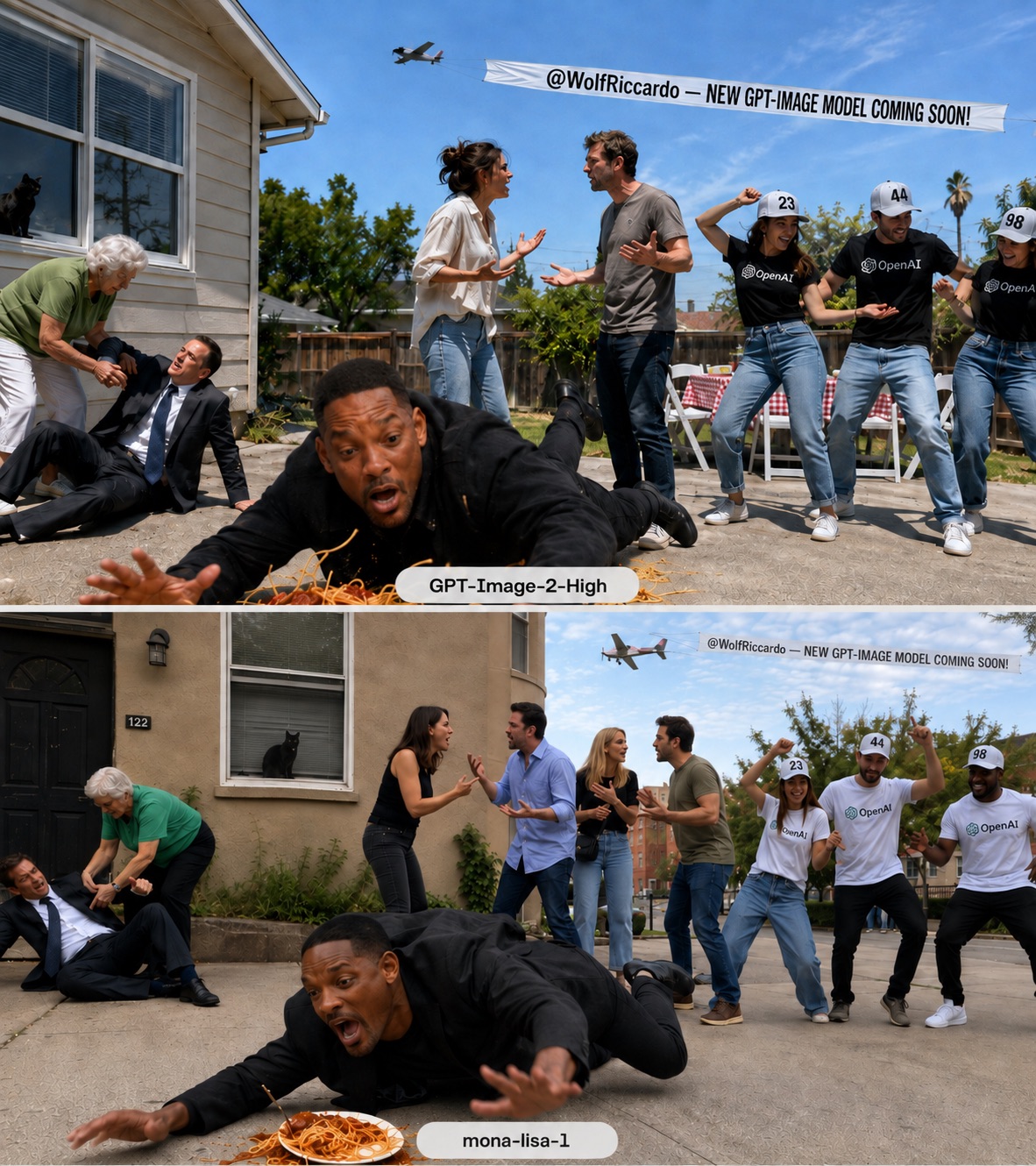
Mona-lisa-1 is also being tested on scenes that contain far more than a single person against a simple background.
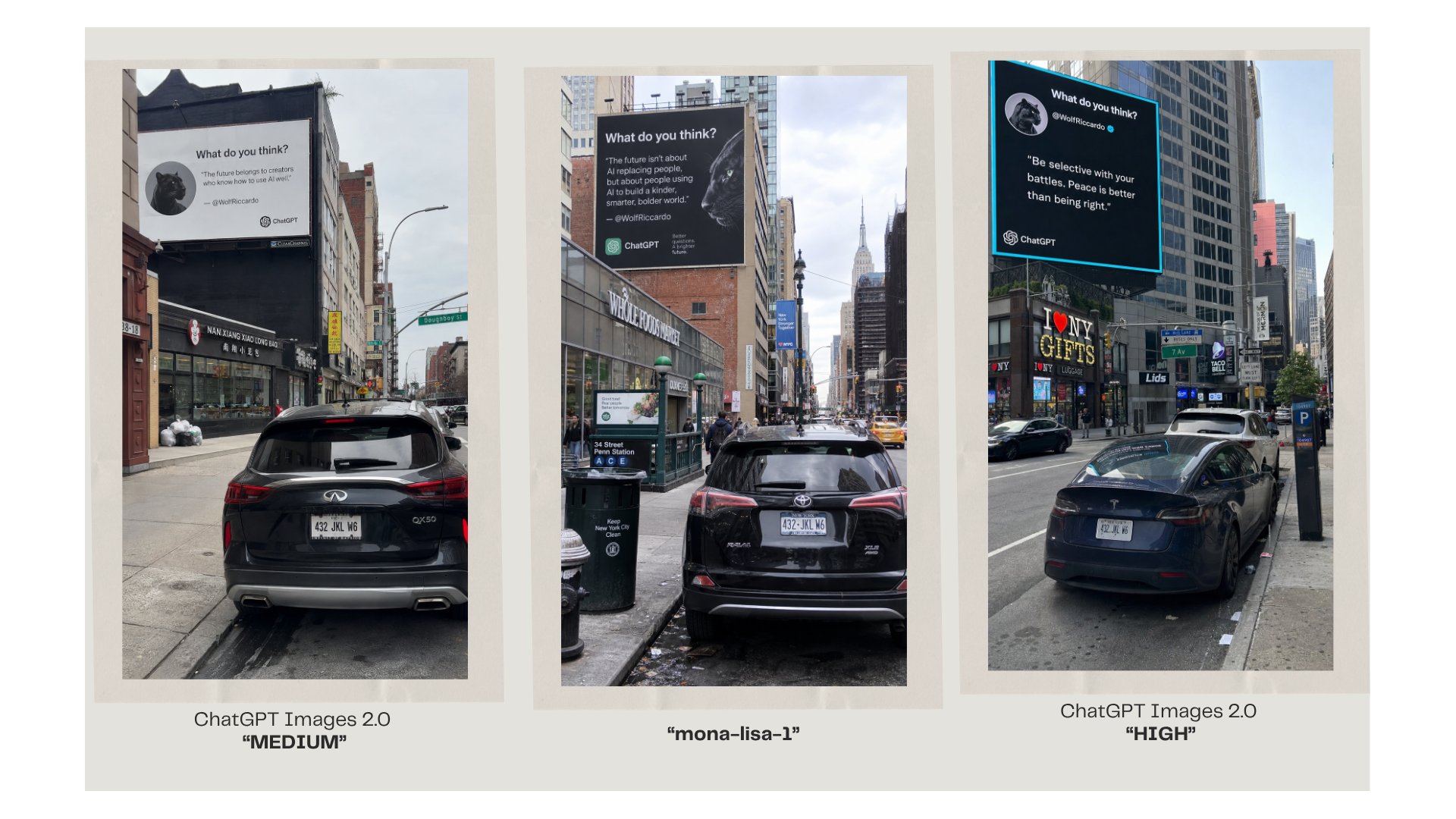
Examples circulating from Arena include busy streets, storefronts, vehicles, architecture, signs, multiple people, and other dense visual environments. These prompts tend to be useful stress tests because they require a model to keep many objects and spatial relationships coherent at the same time.
Early reports suggest that mona-lisa-1 can maintain a high level of detail in these scenes while still producing a convincing overall image. Some reports have also highlighted its performance on artwork and information-dense visual compositions.
That said, the public sample size is still relatively small, so these results are better treated as early impressions than established benchmarks.
 (Source: @WolfRiccardo / X)
Why Is It Already Being Compared With GPT Image 2?
The rumored OpenAI connection makes GPT Image 2 the obvious comparison.
Users have already begun testing both models with similar prompts, paying particular attention to realism, texture, noise, lighting, and the familiar artificial smoothness that can appear in generated photographs. Some early testers describe mona-lisa-1 as a modest step forward in realism and noise handling, while other reports make stronger claims about the difference.
It is much too early to declare a winner from scattered community examples.
What is more interesting is that mona-lisa-1 is producing results good enough that people are seriously asking whether it could represent the next stage of OpenAI’s image-generation technology.
 (Source: @WolfRiccardo / X)
What Happens Next?
For now, mona-lisa-1 remains a codename seen in Arena testing, with very little public information about specifications, pricing, API access, release plans, or its eventual product name.
But it is easy to see why the model has gained attention so quickly.
The possible OpenAI connection created immediate curiosity, while the early image results—particularly their realism, natural textures, and reduced synthetic appearance—gave people something concrete to examine.
If those qualities remain consistent across more testing, mona-lisa-1 could be worth watching not simply as another model appearing on Arena, but as a sign of where the next generation of AI image creation may be heading.