
More AI Video Generators
Explore our collection of specialized AI video generators designed for different creative needs and styles
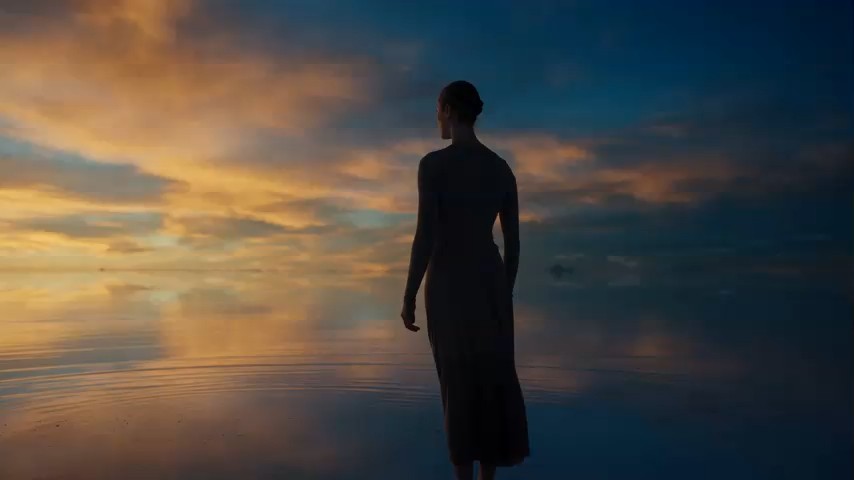
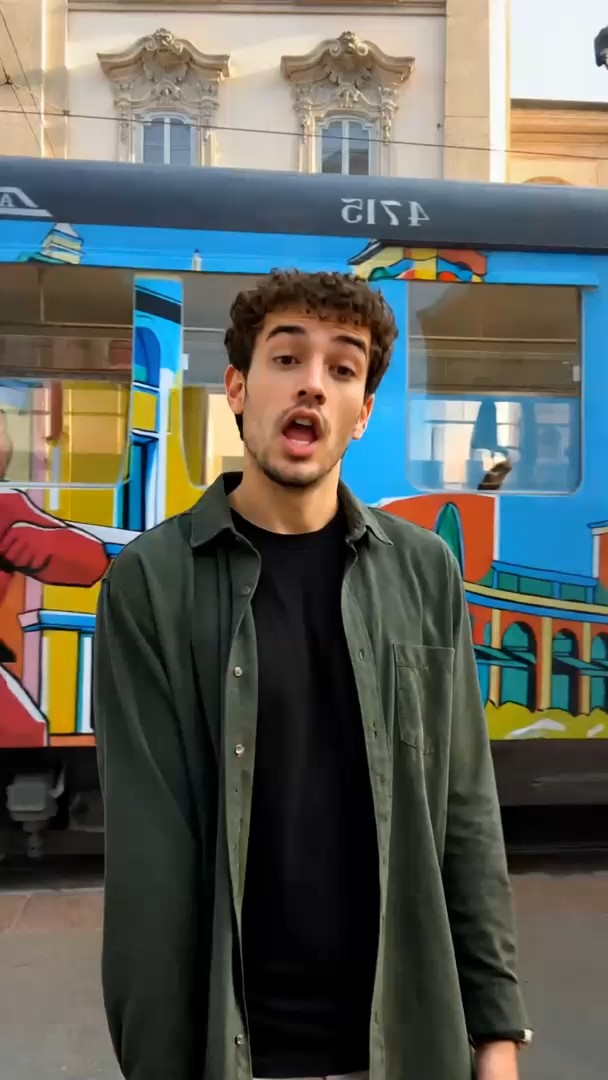

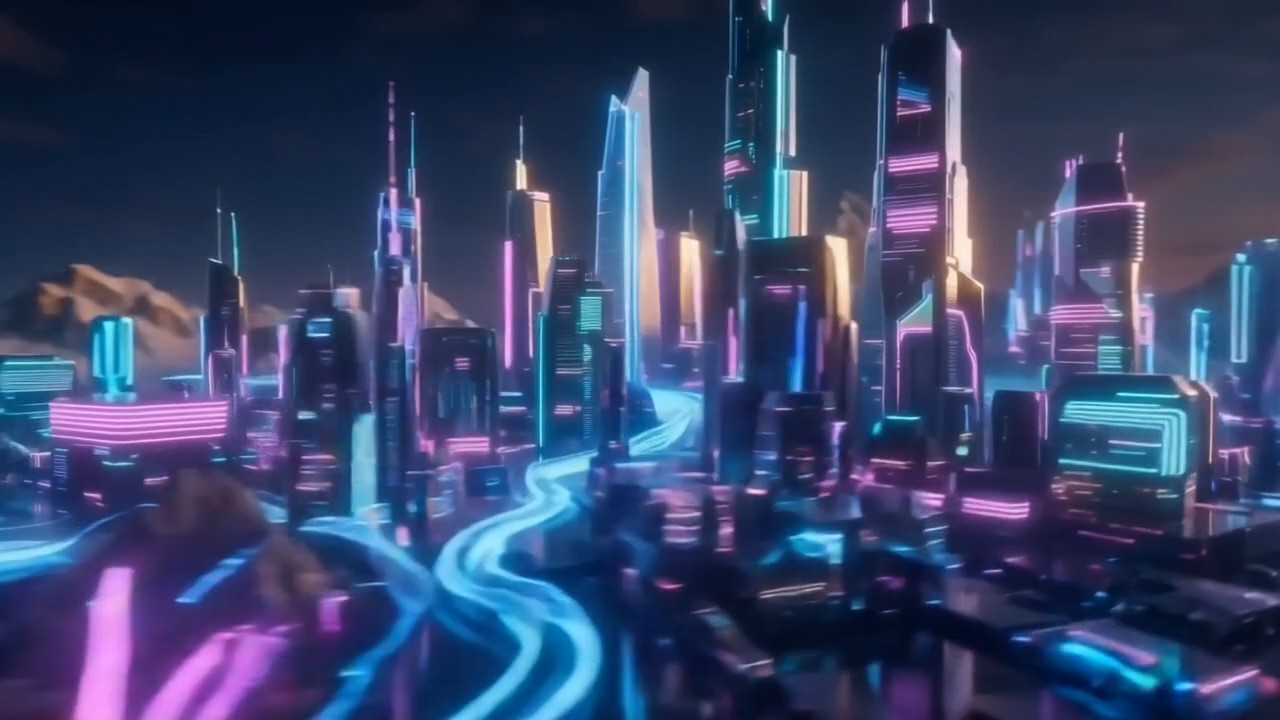
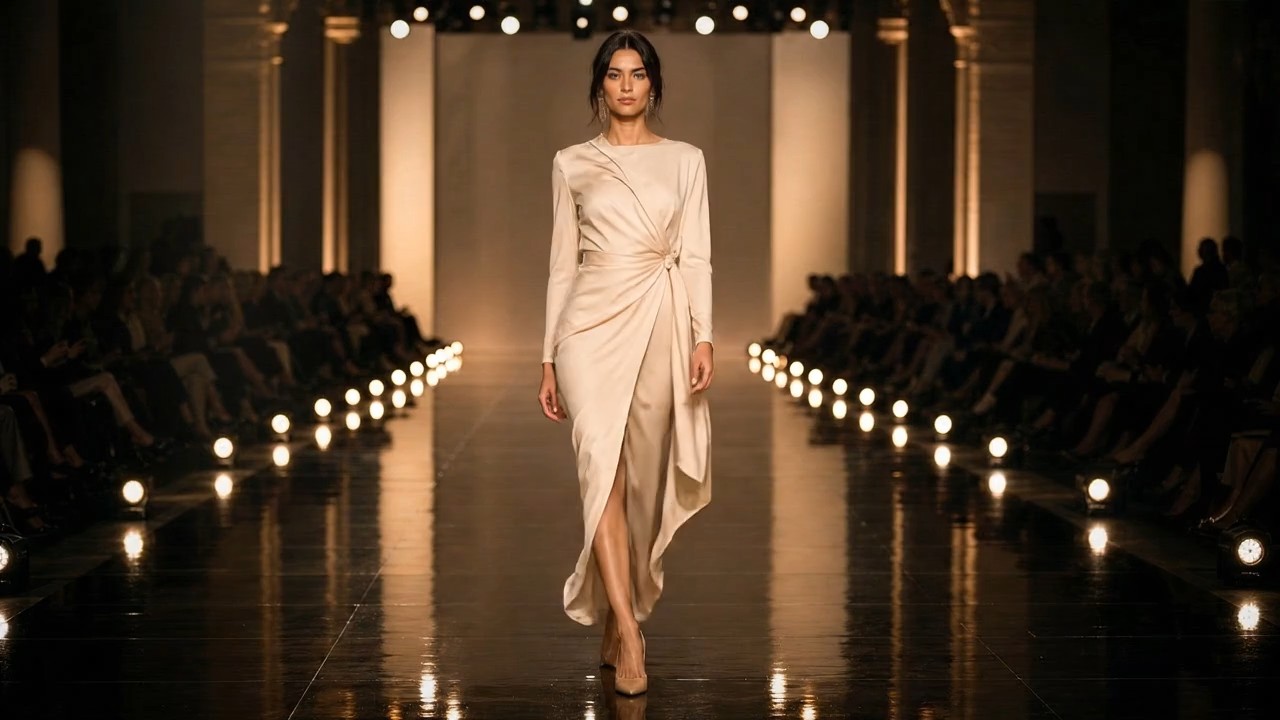
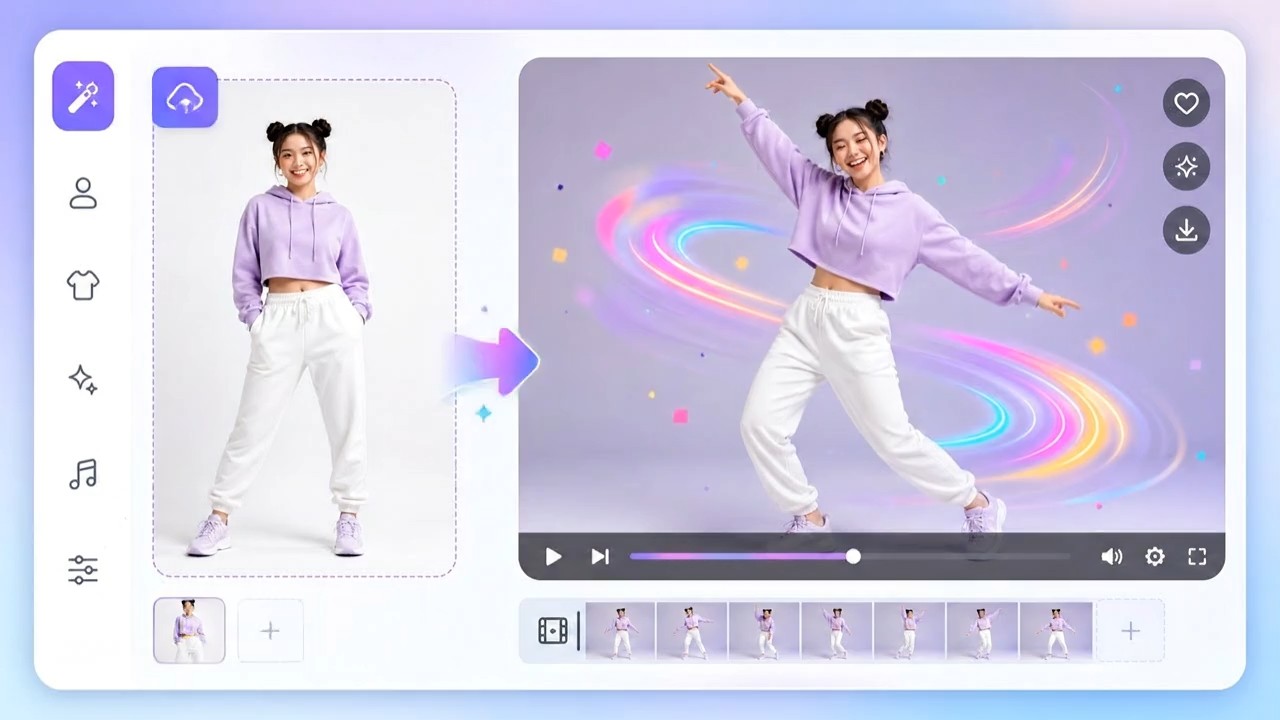

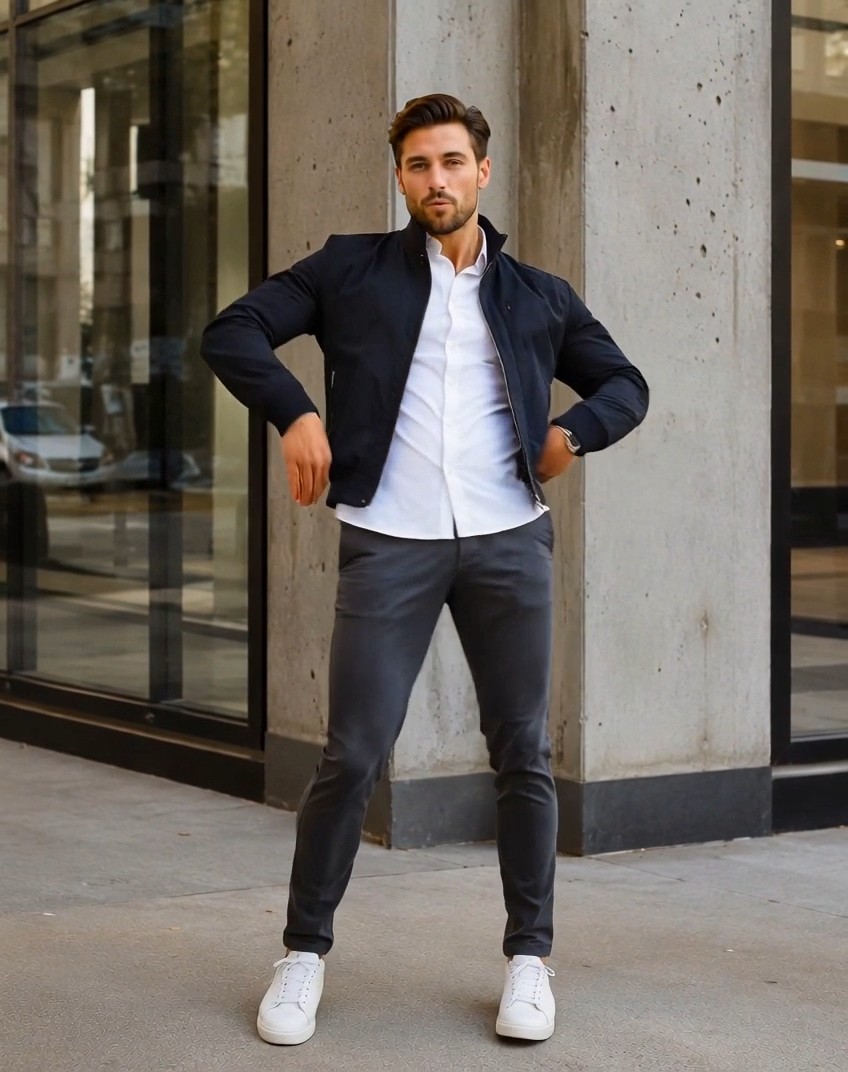
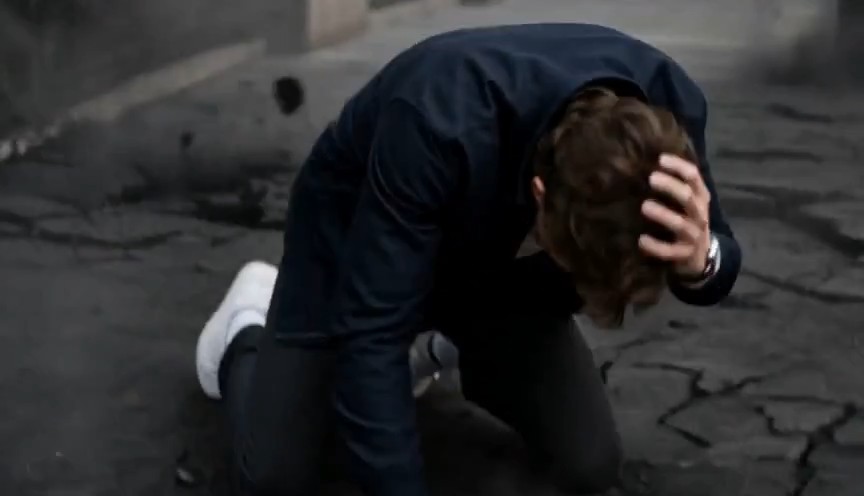
Minimax H3 Max for Fast, Directed AI Video
Turn a written shot or a still image into motion with Minimax H3 Max, then refine the prompt, framing, and pace for the next creative take.
Minimax H3 Max gives creators a focused AI video generator for prompt-led scenes and image-guided motion. Use Minimax H3 Max to explore cinematic ideas, product moments, character actions, and social concepts through a direct browser workflow.

How to Create with Minimax H3 Max
Minimax H3 Max keeps the path from concept to moving draft simple. Choose text or image input, write one clear shot direction, generate with the AI video generator, and review the result before changing a single creative variable.

Choose Text or Image Input
Start Minimax H3 Max in text-to-video mode when the scene exists only as an idea. Choose image-to-video when a still already defines the subject, composition, wardrobe, product, or visual style. The AI video generator uses that starting choice to decide how much of the opening frame must be invented and how much should remain anchored to your source. Minimax H3 Max clarifies that input decision.

Write One Directed Shot
Describe the main subject, the action, the environment, the camera movement, and the intended mood. Minimax H3 Max responds best to a coherent shot brief rather than a list of competing events. Treat the AI video generator like a camera crew receiving concise direction: establish who or what matters, explain what changes during the clip, and name the movement only when it supports the story. Minimax H3 Max rewards clear direction.

Generate and Inspect the Motion
Run Minimax H3 Max and watch the entire clip before judging a single frame. Check whether the subject remains recognizable, the action reads clearly, the camera follows the requested path, and the sound fits the moment. This AI video generator turns a written or visual idea into a draft for evaluation; careful review tells you which detail deserves the next prompt adjustment. Minimax H3 Max makes review actionable.

Refine One Decision at a Time
If the first result misses the intention, revise one meaningful element instead of rewriting everything. Ask Minimax H3 Max for a slower push-in, a clearer product action, steadier character movement, warmer lighting, or a quieter atmosphere. Keeping the rest of the brief stable makes the AI video generator easier to direct and helps you understand which instruction changed the next take. Minimax H3 Max supports clear comparisons.
Best AI Video Tools for Creative Projects
Explore creative tools for video, learn tips and tricks, and see how AI can be your assistant in turning concepts into finished projects.


Direct Minimax H3 Max from First Frame to Final Beat
Minimax H3 Max supports two practical starting points for short-form creation: language and imagery. Write a scene when you want the model to establish the visual world, or animate an existing frame when appearance and composition already matter. The AI video generator then interprets action, camera direction, atmosphere, and audiovisual timing as one connected shot. Minimax H3 Max is most useful when creators approach generation as a sequence of decisions—choose the strongest input, make the desired event unmistakable, review the whole result, and refine the instruction that has the greatest effect on the story.
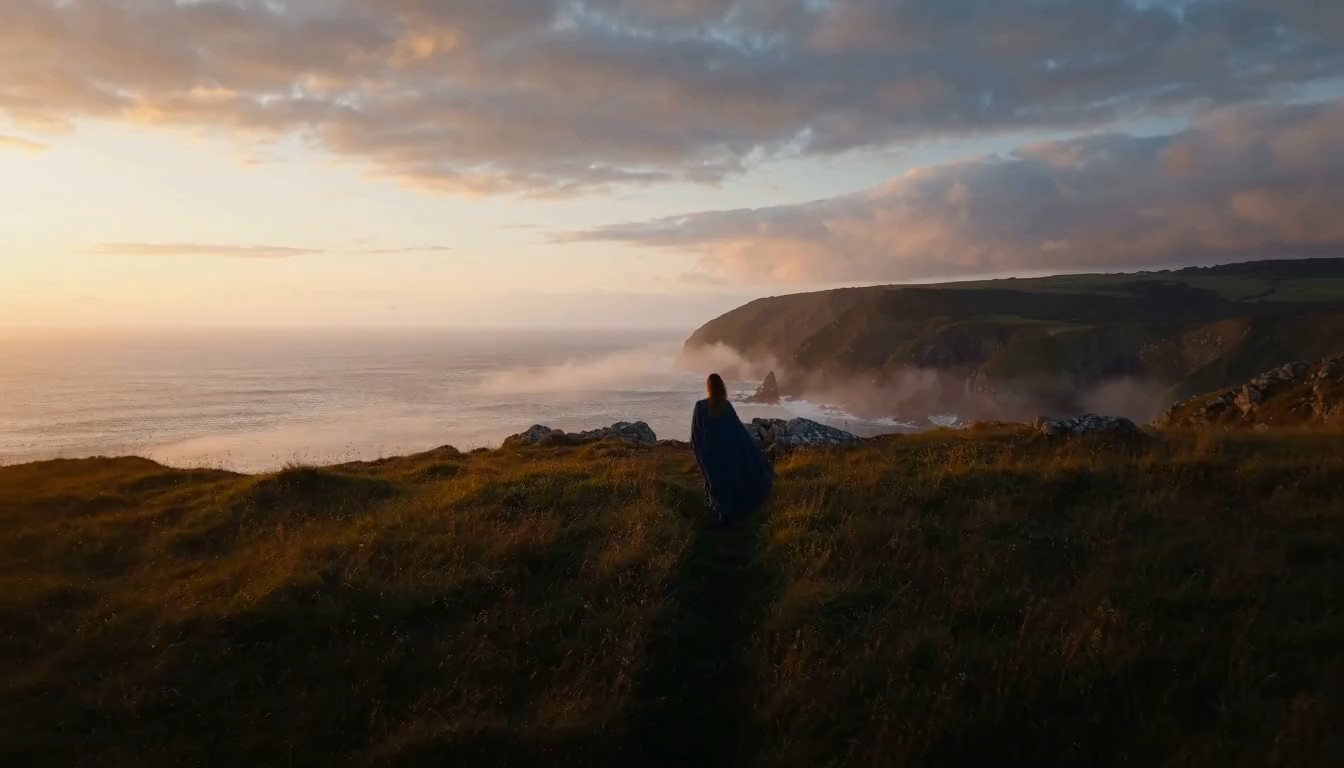
Turn a Written Idea into a Moving Scene
Minimax H3 Max text to video begins with a written shot rather than a prepared image. Describe the subject, setting, visible action, camera behavior, lighting, and sound cues that define the moment. Minimax H3 Max can establish the first frame and carry that direction through the sequence, making the workflow useful for concepts that do not yet have key art. As an AI video generator, it helps writers, directors, marketers, and designers see whether an imagined scene works in motion. Keep the event focused, avoid contradictory camera commands, and use the next generation to refine one choice instead of adding unrelated spectacle. Minimax H3 Max supports repeatable iteration.
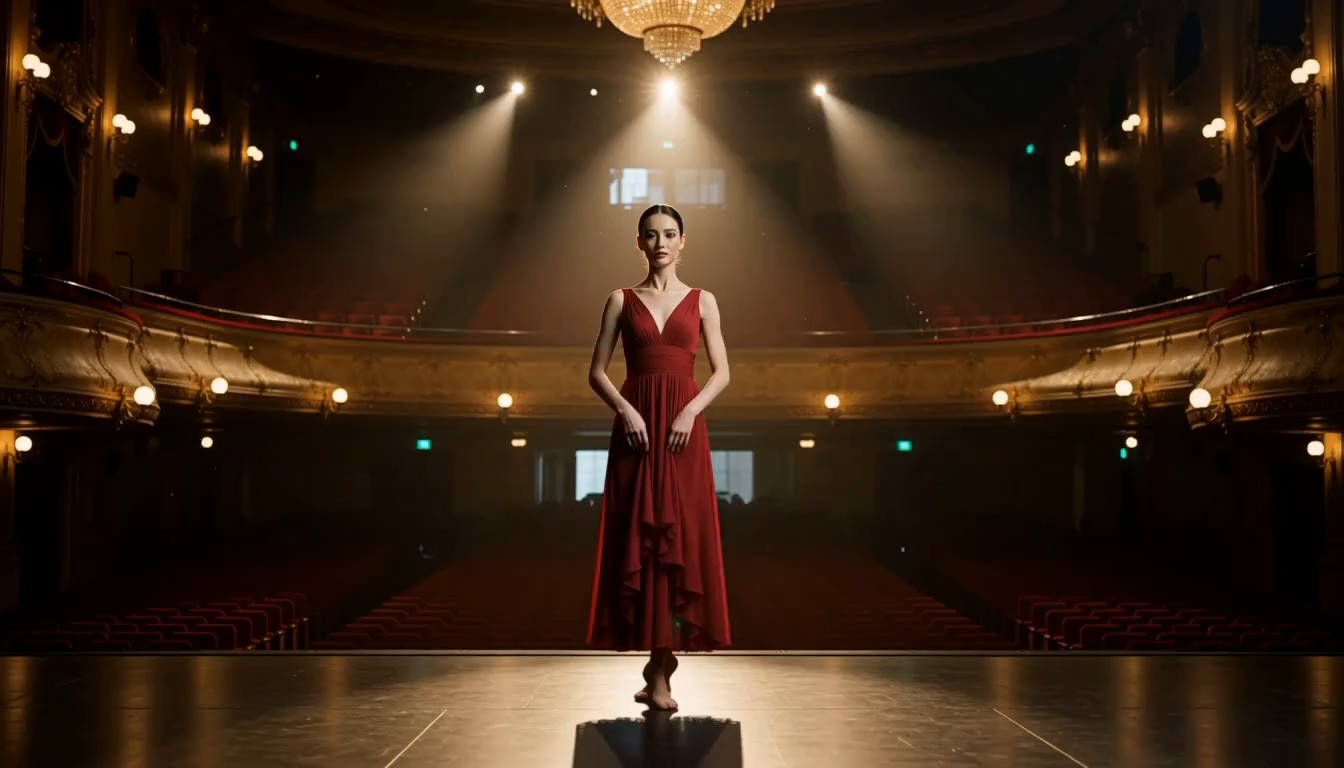
Animate a Still Without Losing Its Visual Intent
Minimax H3 Max image to video starts from a visual anchor. Upload a frame that already communicates the character, product, environment, palette, or composition, then describe what should move and how the camera should observe it. Minimax H3 Max uses the image as the opening context while the prompt supplies behavior and timing. This AI video generator workflow is valuable when a brand image, illustration, portrait, or concept frame must remain recognizable. Choose a clean source with a readable subject, specify the central action, and avoid requesting changes that directly conflict with the uploaded design. Minimax H3 Max benefits from a clear focal point.
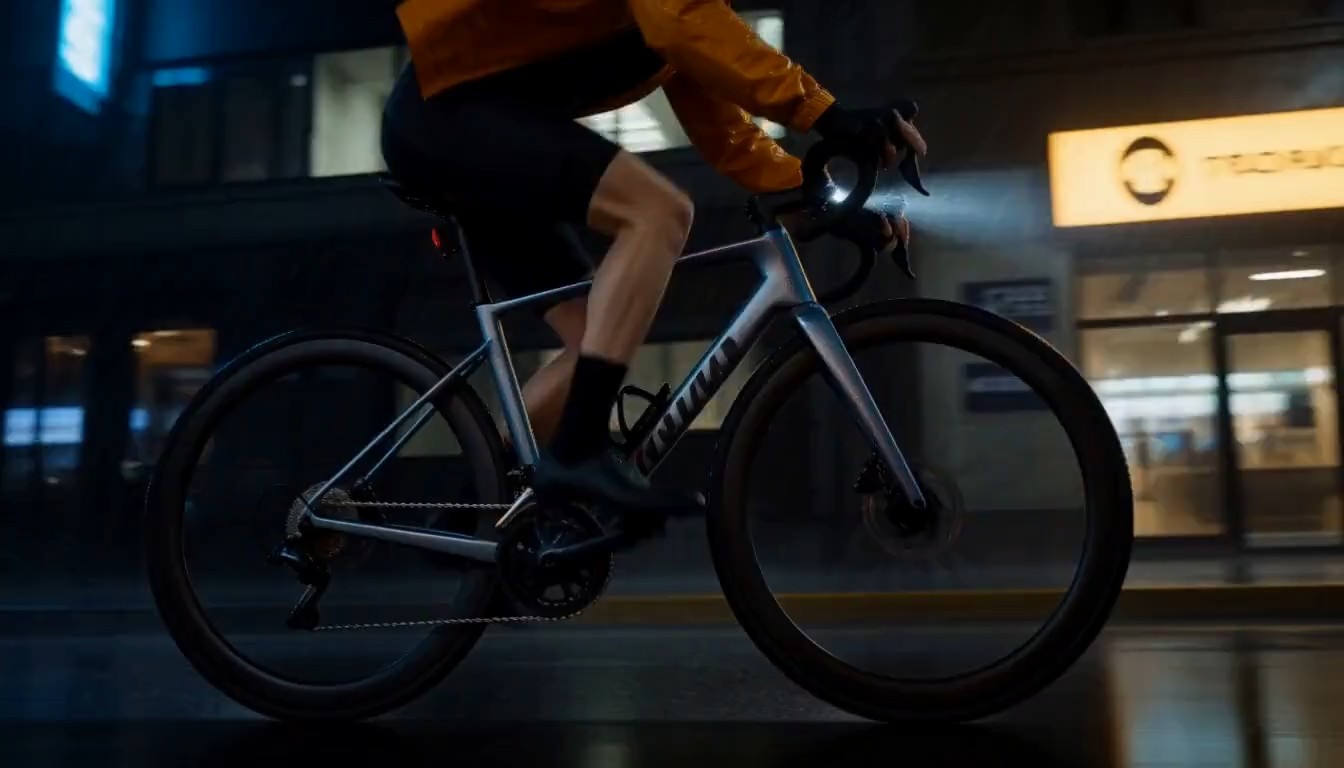
Shape Camera Movement with Clear Language
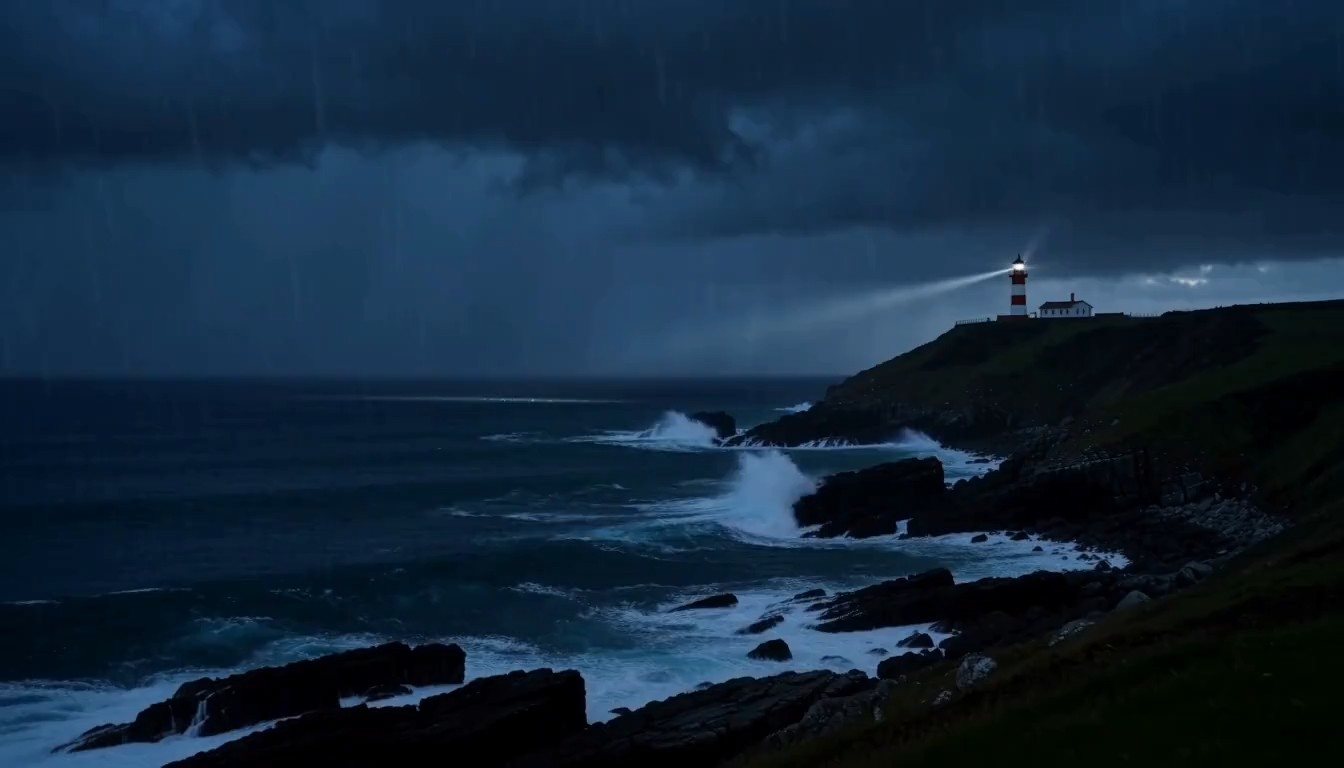
Camera language changes how a generated scene feels. Tell Minimax H3 Max whether the view should remain locked, track beside the subject, push forward slowly, orbit a product, or follow with handheld energy. Pair the movement with a reason inside the shot: reveal information, increase tension, show scale, or stay close to an expression. Minimax H3 Max works more predictably when one primary move leads the composition. Used as an AI video generator for previsualization, it lets creators compare visual approaches before committing to a shoot, animation, or longer edit. Review framing throughout the clip, not only at the beginning. Minimax H3 Max visualizes those camera instructions.
Build Motion and Sound as One Creative Moment
A convincing short clip depends on more than attractive frames. Minimax H3 Max can interpret a scene as an audiovisual event, so prompts may include practical sound cues, atmosphere, dialogue intent, or rhythmic action when those details support the idea. Give Minimax H3 Max a clear hierarchy: the visible event comes first, while audio reinforces place, pace, and emotion. The AI video generator can then produce a draft in which movement and sound belong to the same moment. Always review spoken content, timing, background sound, text, and brand details before using a generated result in public or commercial work. Minimax H3 Max still needs editorial judgment.
Where Minimax H3 Max Fits Real Creative Work
Minimax H3 Max helps teams turn a static brief into a moving object they can discuss. The AI video generator is useful for early exploration, rapid variations, and short-form deliverables where visual direction matters. Minimax H3 Max can support production thinking without replacing human review, editing, rights checks, or final quality control.

Campaign Concepts and Product Stories
Marketing teams can use Minimax H3 Max to visualize product reveals, lifestyle moments, branded transitions, and campaign hooks before a full production plan is locked. A written brief can establish a new scene, while a product still can anchor image-to-video motion. The AI video generator makes timing, camera angle, and atmosphere visible enough for focused feedback. Minimax H3 Max also helps teams compare several directions, but every output should be checked for product accuracy, readable branding, realistic behavior, and suitability for the intended audience. Minimax H3 Max supports exploration; the team remains responsible for the final claim.

Storyboards, Previsualization, and Pitching
Directors, animators, and independent storytellers can use Minimax H3 Max to test a shot before investing in production. Describe blocking, performance, lens behavior, and mood, or animate a storyboard frame to explore the next beat. The AI video generator turns abstract direction into a clip collaborators can watch together. Minimax H3 Max is especially useful for comparing camera ideas and communicating pacing, while the final production still benefits from intentional cinematography, editing, sound design, and continuity planning. Minimax H3 Max makes an early visual hypothesis easier to discuss.

Social Videos and Fast Creative Iteration
Social creators can use Minimax H3 Max for short visual hooks, character moments, atmospheric loops, and format experiments. Start from text when the idea needs a fresh visual identity, or animate a strong still when the post already has key art. The AI video generator makes it practical to test several openings and choose the clearest one. Minimax H3 Max works best when each variation changes a specific factor, such as pace, framing, action, or mood, rather than rebuilding the entire concept at random. Minimax H3 Max helps creators learn from every variation.

Design Motion and Experience Prototypes
Designers can use Minimax H3 Max to show how a product concept, environment, interface moment, installation, or speculative object might behave over time. Animate a reference frame and describe the interaction, user attention, material response, and camera viewpoint. The AI video generator helps turn a static proposal into an experience that stakeholders can evaluate. Minimax H3 Max outputs remain concept media rather than validated prototypes, so teams should separately verify usability, engineering feasibility, accessibility, and factual claims. Minimax H3 Max clarifies motion intent without proving implementation feasibility.
Creators Use Minimax H3 Max to Make Ideas Discussable
Minimax H3 Max gives different creative roles a shared way to explore movement, sound, framing, and visual tone. These fictional examples illustrate how the workflow can help people evaluate a direction before deeper production begins.
I use Minimax H3 Max to turn campaign notes into a scene my team can react to. Seeing the product action and camera movement together makes feedback much more concrete. The AI video generator gives us a useful first take, then we adjust one part of the prompt and compare the result instead of debating an abstract storyboard. Minimax H3 Max keeps that comparison centered on a visible creative choice.
For previsualization, Minimax H3 Max helps me test whether a shot has the right pace and emotional distance. I can begin with a storyboard image, describe the performance, and review how the composition changes. The AI video generator does not replace planning, but it gives collaborators a moving reference that makes the next production decision easier. Minimax H3 Max helps us arrive at that decision with shared evidence.
Minimax H3 Max is useful when a social concept needs several possible openings. I keep the core idea stable, change the movement or camera instruction, and quickly learn which version communicates best. The AI video generator supports that exploration, while I still handle final editing, captions, music choices, platform formatting, and every detail tied to the audience. Minimax H3 Max gives me options without making the final decision for me.
Our design reviews improve when a static concept becomes a short motion study. Minimax H3 Max lets me animate a product frame and show the intended interaction or material response. The AI video generator makes the idea easier to critique, and the team can identify what still needs engineering validation instead of mistaking a polished image for a finished prototype. Minimax H3 Max makes that distinction easier to communicate.


Minimax H3 Max Questions
Learn how text input, image input, prompt direction, motion, sound, and output review work in this focused video creation workflow.
Minimax H3 Max can create short moving scenes from a written prompt or a starting image. Use it for concepts, character actions, product moments, social ideas, and previsualization. Review every result for continuity, text, sound, visual accuracy, and rights before wider use. Minimax H3 Max is a creative generator, not an automatic approval step.
Choose text to video when the model should invent the opening visual from your description. Choose image to video when appearance, composition, or identity already exists in a still. Minimax H3 Max can support both paths, so the right mode depends on what must stay visually anchored. Minimax H3 Max lets that anchor guide the first moving result.
State the main subject, one readable action, the setting, the preferred camera behavior, and the mood. Add sound cues only when they serve the event. Minimax H3 Max is easier to direct when the prompt describes one coherent shot instead of several unrelated scenes or conflicting movements.
Input availability depends on the controls shown for the selected model and mode. When an ending frame is offered, use it to define the intended destination of the shot and explain the transition clearly. Minimax H3 Max results still need review for motion continuity between visual anchors.
Minimax H3 Max can create audiovisual output, but sound quality and availability should be confirmed in the current generator settings. Describe essential ambience, action sounds, or speech intent clearly. Always listen to the complete result and verify timing, pronunciation, content, and suitability before publishing it.
Review the full clip, identify the single issue that most affects the idea, and revise that instruction first. Keep successful details stable while changing pace, action, framing, lighting, or sound. Minimax H3 Max becomes easier to evaluate when each new take tests a clear creative hypothesis.
Create Your Next Shot with Minimax H3 Max
Bring one strong scene idea or starting image into Minimax H3 Max and turn it into a moving draft. Review the result, refine the most important direction, and build a clearer creative take with each generation.
