
Create atmospheric Wendigo Art from a prompt or optional reference image, with control over creature design, setting, mood, and illustration style.
More AI Image Generators
Explore our collection of specialized AI image generators designed for different creative needs and styles






Create Haunting Wendigo Art from Any Idea
Turn a written concept or reference image into an atmospheric folklore-inspired creature illustration.
Use Wendigo Art to explore eerie forests, expressive monster portraits, narrative scenes, and original creature concepts. Describe the mood, anatomy, setting, and medium you imagine, then refine your Wendigo Art until the visual direction feels coherent and personal.
How to Create Wendigo Art Online
Move from a loose horror idea to a focused illustration in three approachable steps. Wendigo Art gives you room to direct atmosphere, silhouette, storytelling, and style without requiring a complicated drawing setup.

Describe the Creature and Scene
Start with the subject, pose, environment, and emotional tone. Explain whether you want a towering forest spirit, an icy humanoid presence, a modern antlered cryptid, or another interpretation. Add details such as fog, moonlight, bark textures, winter wind, or distant firelight. Wendigo Art responds more clearly when the prompt connects anatomy to atmosphere. For a Wendigo drawing look, name the medium too: graphite, ink wash, charcoal, woodcut, storybook linework, or painterly concept art. Keep one strong focal point so Wendigo Art does not become visually crowded.

Add a Reference When Useful
Upload one reference if you want to preserve a pose, composition, costume idea, landscape structure, or original character feature. State exactly what should remain recognizable and what may change. You can ask Wendigo Art to retain the camera angle while transforming the materials, or keep the silhouette while exploring another lighting scheme. A reference can also guide a Wendigo drawing toward a consistent series. Avoid copying a living artist or protected character; use your own source material and describe broader visual qualities instead. Wendigo Art works best when the reference and written direction support the same goal.

Generate, Review, and Refine
Generate the first result, then review the face, hands, antlers or branches, body proportions, depth, and focal lighting. Change one or two priorities at a time rather than rewriting everything. Ask Wendigo Art for a clearer silhouette, subtler eyes, less clutter, heavier ink, softer snow, or a more distant viewpoint. If a Wendigo drawing feels generic, add a specific story beat, region, season, or material. Wendigo Art becomes more intentional when each revision answers a visible problem instead of adding unrelated quality words.
Best AI Image Tools for Creative Projects
Explore creative tools for image, learn tips and tricks, and see how AI can be your assistant in turning concepts into finished projects.
Direct Every Part of Your Wendigo Art
Choose the creature language, setting, medium, and narrative tension that fit your project. Wendigo Art supports fast visual exploration while keeping the important creative decisions in your prompt.
Wendigo Art: Build an Original Creature Silhouette
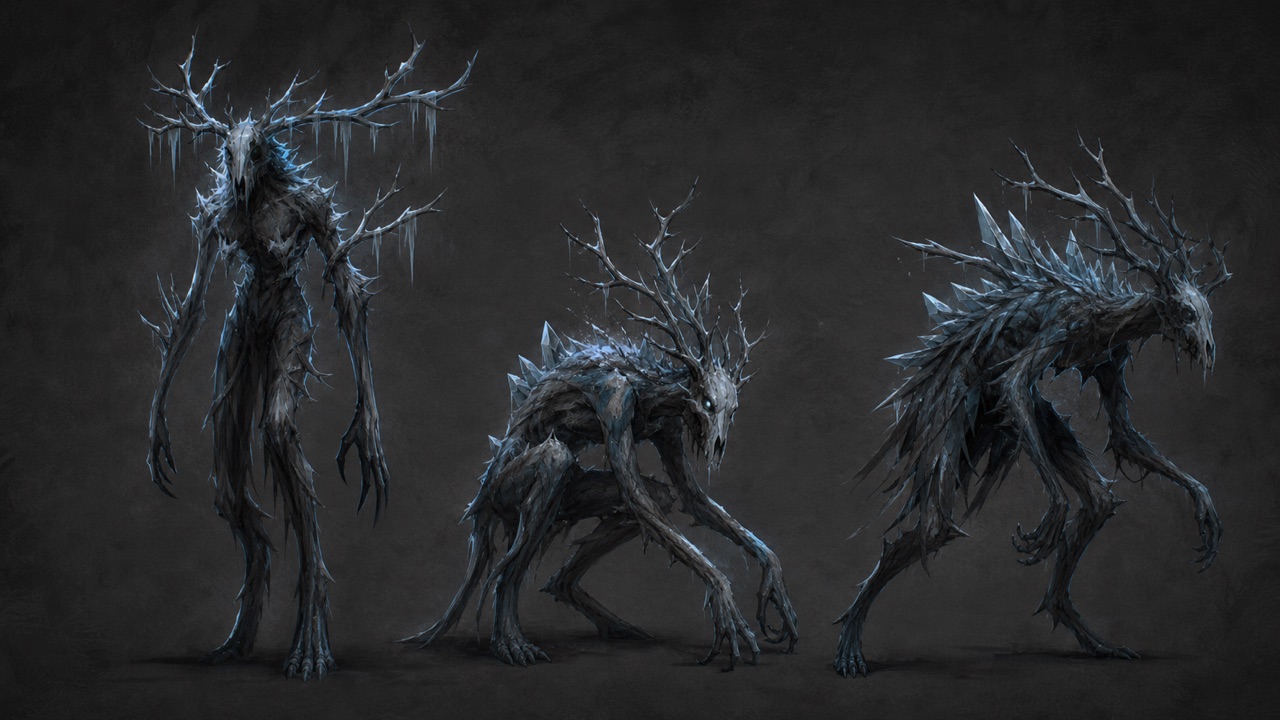
Shape a recognizable presence before worrying about surface detail. Tell Wendigo Art whether the figure is impossibly tall, compact and animal-like, human in proportion, skeletal, furred, bark-covered, ice-crusted, or partly hidden by the landscape. Define the head shape, limb rhythm, posture, and negative space around the body. A strong Wendigo drawing often reads first as a silhouette, so test crouching, stalking, standing, or looming poses against simple backgrounds. Wendigo Art can compare several creature-design directions while holding the same environment and camera distance steady. Use the comparison to decide which anatomy supports your story instead of defaulting to the most familiar horror image. Wendigo Art keeps the silhouette study focused.
Wendigo Art: Set the Mood with Light and Weather
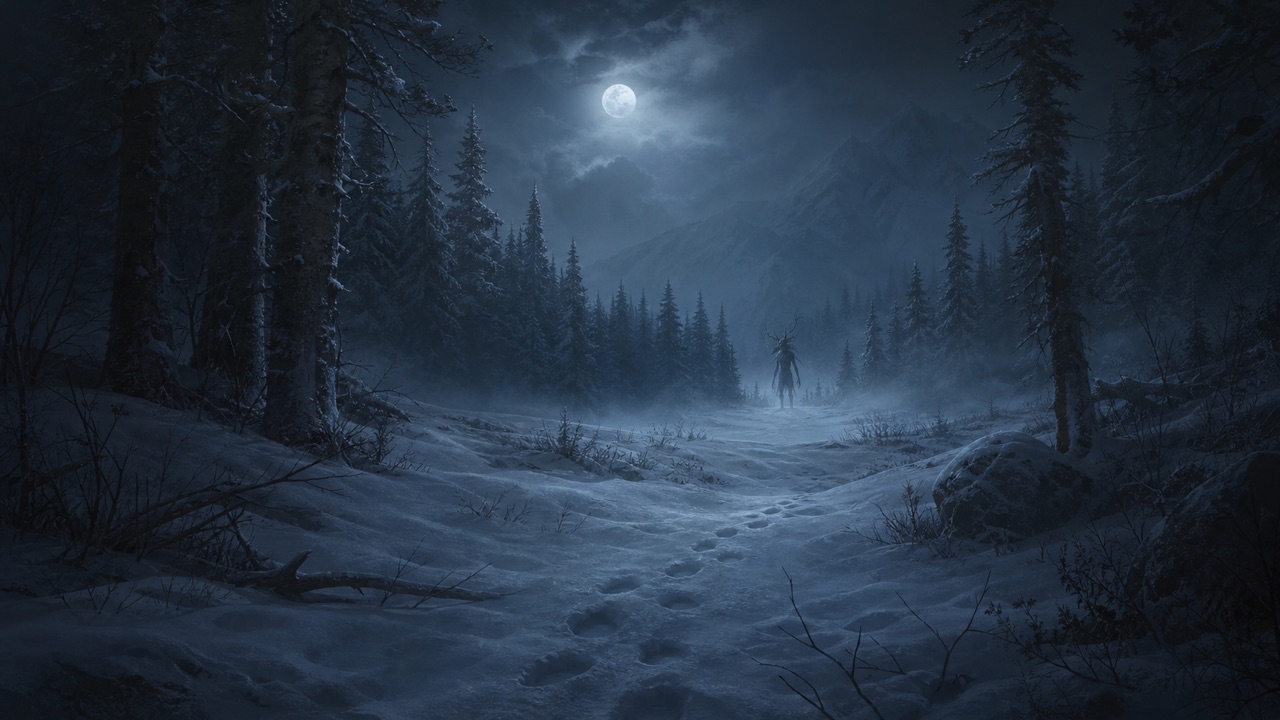
Atmosphere can reveal the creature slowly or make it dominate the frame. Use Wendigo Art to explore moonlit snow, wet autumn woods, green-gray fog, deep cave shadow, amber wildfire glow, or a quiet dawn after a storm. Describe where the light originates and what it should reveal. For a readable Wendigo drawing, separate the silhouette from the background with rim light, pale mist, broken branches, or a lighter patch of sky. Wendigo Art can keep the same pose while testing different weather and color stories, helping you choose whether the scene should feel mournful, predatory, mysterious, tragic, or cinematic rather than merely dark. Wendigo Art makes each atmosphere easier to compare.
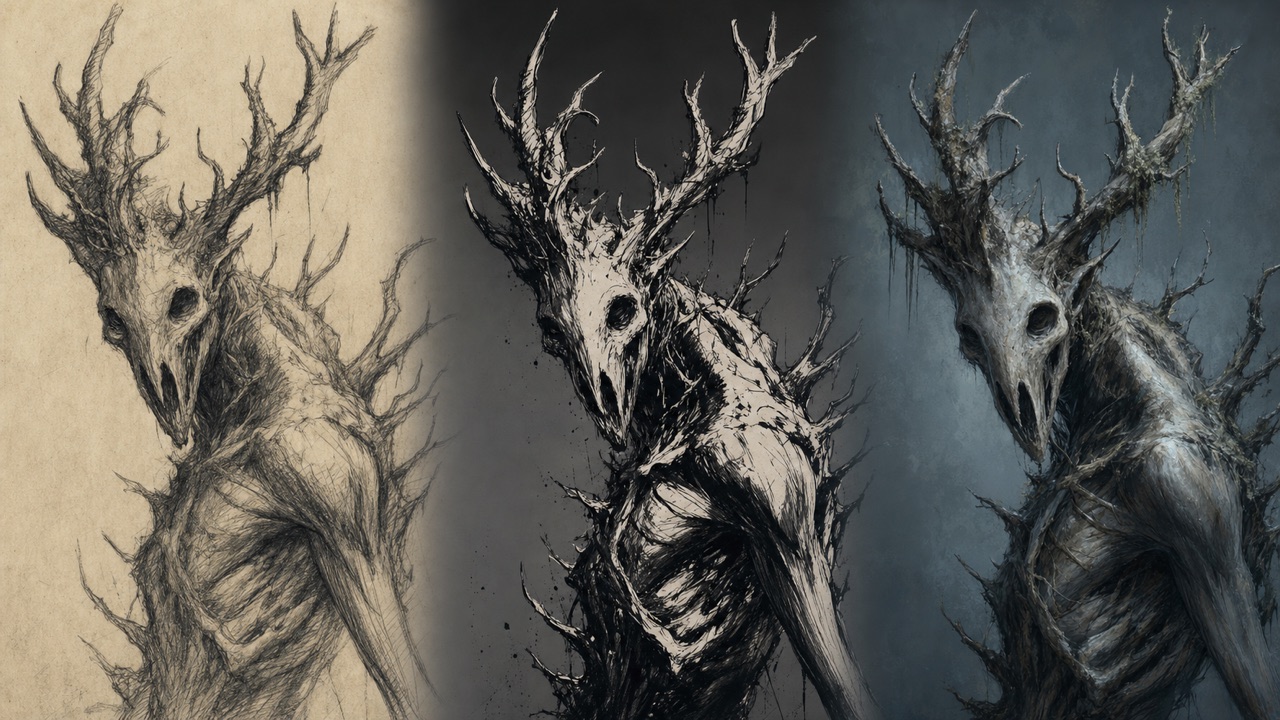
Wendigo Art: Explore Pencil, Ink, Paint, and Film Looks
The same idea can become a scratchy field-journal sketch, a bold black-ink poster, a muted storybook plate, a textured digital painting, or a cinematic creature concept. Ask Wendigo Art for one dominant medium and describe its mark-making: broken graphite, dry brush, cross-hatching, watercolor blooms, carved shapes, or broad painterly edges. A Wendigo drawing gains character when the marks support the mood rather than simply adding detail. Use Wendigo Art to compare style families without imitating a named living artist. Broader choices such as gothic illustration, 1970s horror paperback, natural-history plate, or modern dark fantasy give the model useful direction while leaving room for an original result. Wendigo Art supports original style exploration.
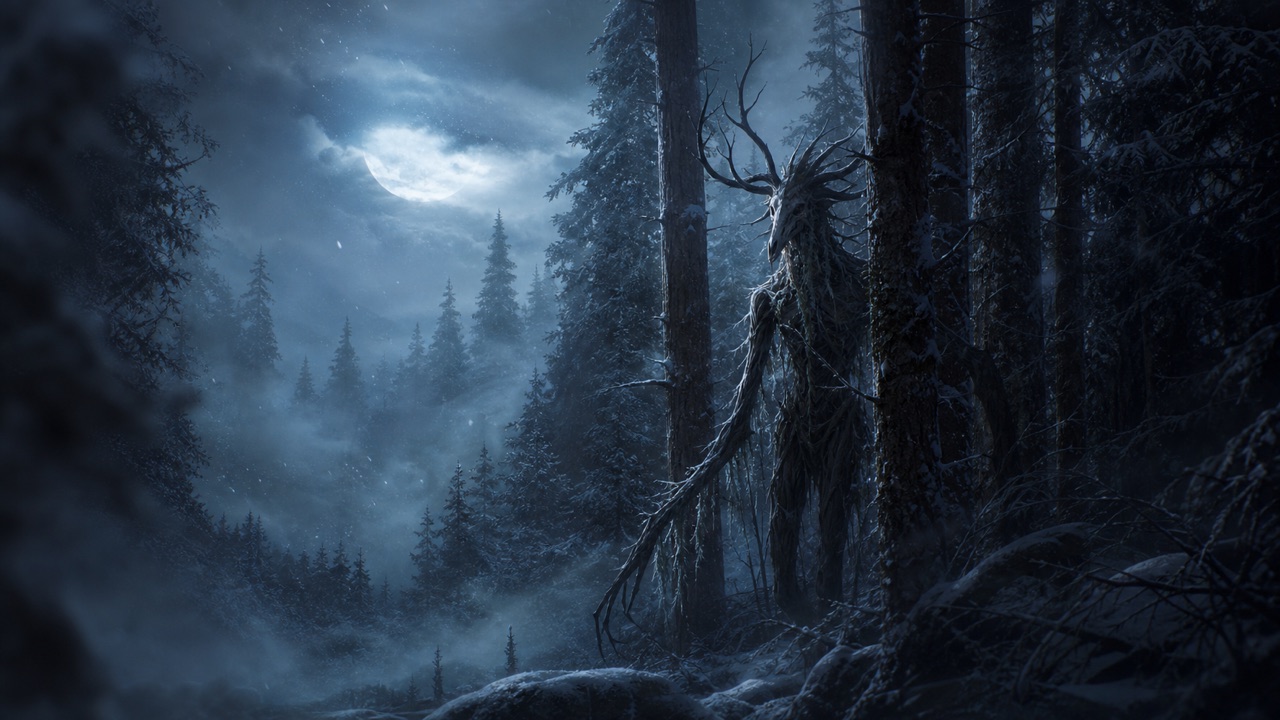
Wendigo Art: Create a Scene with a Clear Story Beat
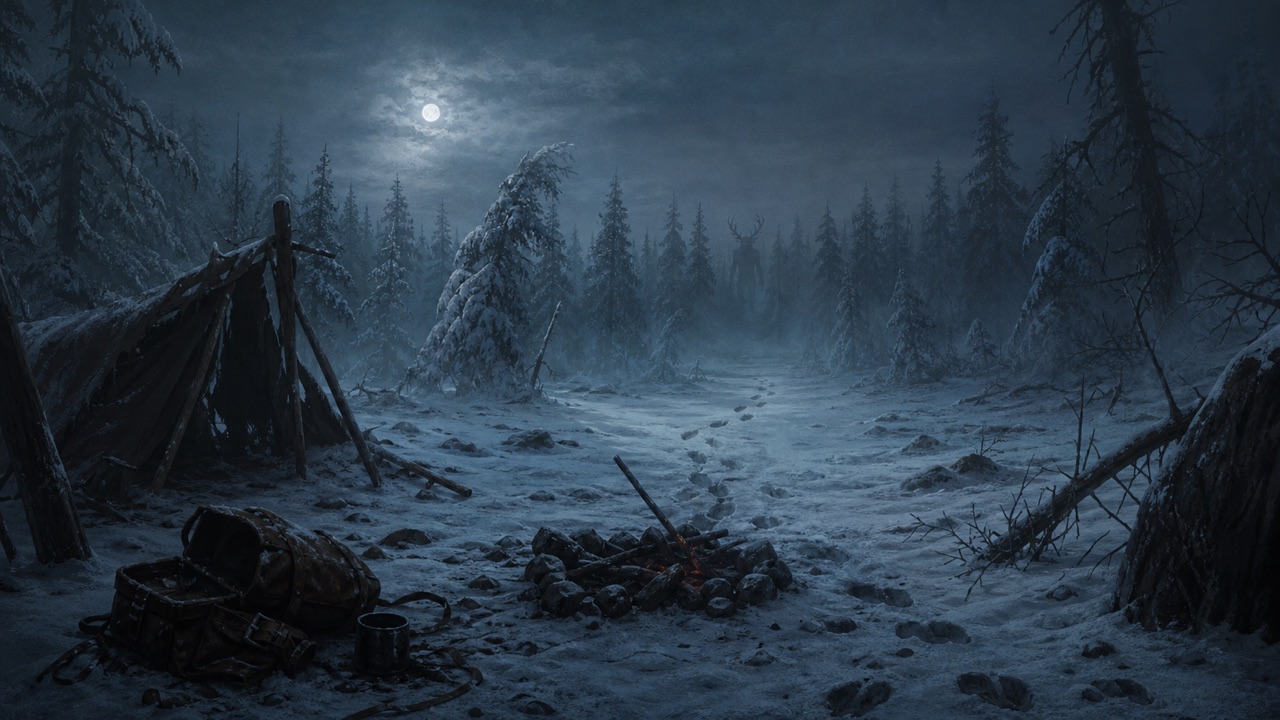
Go beyond a monster portrait by describing what has just happened or what is about to happen. Wendigo Art can frame distant tracks crossing fresh snow, a ranger noticing movement between pines, an abandoned camp under unnatural frost, or a silent figure watching from the tree line. Specify viewpoint, scale, foreground evidence, and the amount of the creature that should remain concealed. A narrative Wendigo drawing becomes more memorable when the environment carries clues. Wendigo Art helps you test quiet suspense, sudden confrontation, aftermath, or symbolic imagery while keeping the scene readable. Avoid presenting one modern visual trope as the only authentic form; choose the interpretation that serves your fictional project and acknowledge its inspiration thoughtfully. Wendigo Art keeps the story beat visible.
What You Can Make with Wendigo Art
From private sketchbook ideas to polished concept presentations, Wendigo Art gives writers, game makers, illustrators, and horror fans a flexible starting point for visual development.

Wendigo Art: Original Characters and Creature Sheets
Develop an original horror character with consistent anatomy, materials, posture, and emotional cues. Wendigo Art can help you compare front-facing portraits, side profiles, action poses, scale references, and environmental studies before you commit to a final design. Use a Wendigo drawing brief that lists repeatable features, such as asymmetrical branch growth, a torn winter cloak, pale eyes, or an ice-cracked chest pattern. Then ask Wendigo Art to preserve those traits across several scenes. Keep the concept distinct from existing games, films, and artists, and revise outputs that feel too familiar. The goal is a visual vocabulary you can redraw, model, or develop further in your own workflow. Wendigo Art supports that consistent vocabulary.

Wendigo Art: Horror Stories and Tabletop Campaigns
Create mood images for a short story, role-playing session, audio drama, or folklore-inspired campaign. Wendigo Art can visualize locations, encounters, clues, weather, and character perspectives without showing the creature in every frame. A quiet Wendigo drawing of tracks, a frozen doorway, or bent trees may build more tension than a close-up attack. Use Wendigo Art to maintain a shared palette and setting across chapter art, handouts, scene cards, and pitch materials. Treat generated images as creative starting points, verify the terms for your intended use, and adapt the final visuals so they fit your story world rather than reading like unrelated stock horror scenes. Wendigo Art keeps related scenes visually connected.

Wendigo Art: Posters, Covers, and Social Graphics
Plan a striking central image for a fictional poster, podcast cover, event concept, playlist graphic, or personal social post. Wendigo Art can help balance a readable monster silhouette with open space for typography that you add later in a design tool. Ask for a vertical, square, or wide composition based on the destination, but keep important details away from crop edges. A bold Wendigo drawing can use limited colors, heavy ink, or a single luminous accent to remain clear at small sizes. Wendigo Art should generate the artwork only; add final text, branding, and accessibility checks in your normal layout workflow for reliable spelling and placement. Wendigo Art provides a flexible visual base.
Wendigo Art: Drawing Studies and Prompt Practice
Use visual variations to study shape language, value grouping, perspective, or atmosphere before making your own finished illustration. Wendigo Art can generate several interpretations of the same prompt so you can compare why one silhouette, camera angle, or lighting plan communicates better. Turn the chosen result into a reference for a new Wendigo drawing rather than tracing it blindly. Break the scene into gesture, large masses, light direction, edge control, and texture. Wendigo Art can support deliberate practice when you document what changed between versions and redraw the idea with your own decisions. Always respect reference ownership and avoid presenting generated output as another artist's handmade work. Wendigo Art works best with active review.
Creators Exploring Wendigo Art
These fictional examples show how Wendigo Art can support different creative processes, from story development to creature design, while leaving final authorship and judgment with the maker.
I needed a recurring forest presence for a novella, but every early sketch felt like the same antlered monster. Wendigo Art helped me compare an ice-bound humanoid, a branch-like silhouette, and a barely visible spirit suggested by the weather. I chose the quietest direction and used each Wendigo drawing as a mood reference rather than a finished illustration. The strongest result showed only long fingers around a pine trunk and a strange break in the snowfall. That restraint gave me a clearer idea of how the creature should behave on the page. Wendigo Art helped me choose restraint.
For a tabletop campaign, I wanted location art that built suspense before the encounter. Wendigo Art let me keep the same frozen valley while changing the camera position, fog density, and amount of the creature revealed. One Wendigo drawing became a player handout, while another helped me describe the scale behind the screen. The useful part was not simply getting a scary image; it was seeing how foreground tracks, broken branches, and distant firelight could direct attention. I rewrote the scene after those visual tests and the session felt more coherent. Wendigo Art strengthened the encounter setup.
I practice creature design by holding the prompt constant and changing one visual rule at a time. Wendigo Art made it easy to compare heavy shoulders with a narrow torso, symmetrical antlers with irregular branches, and sharp moonlight with diffuse snow. I selected one Wendigo drawing, reduced it to a black silhouette, and rebuilt the anatomy in my sketchbook. The generated version gave me questions to solve, not answers to copy. That made the exercise useful for learning how posture and negative space can carry personality before texture is added. Wendigo Art made the comparison concrete.
A podcast concept needed a tense image with enough empty space for a title. Wendigo Art helped me test a centered portrait, a distant tree-line figure, and a low-angle forest scene. The distant option worked best because it remained readable without overpowering the layout. I used the Wendigo drawing only as a creative base, then rebuilt the framing, added typography, and checked the small-size crop myself. The process helped our team agree on mood and hierarchy before spending time polishing the final cover system. Wendigo Art clarified the cover direction.

Wendigo Art FAQ
Learn how prompts, references, visual styles, cultural context, and practical review fit into the Wendigo Art workflow.
Wendigo Art is an AI-assisted image workflow for creating folklore-inspired creature illustrations from a prompt or optional reference. You can direct anatomy, setting, mood, medium, and composition, then refine the result. It is designed for creative exploration rather than claiming one definitive depiction of the figure. Wendigo Art keeps those choices editable.
Yes. Describe the creature, pose, environment, lighting, and drawing medium, then generate a result. A focused Wendigo drawing prompt might specify charcoal, ink wash, graphite, or a natural-history plate. Wendigo Art works better when the prompt connects those marks to a clear mood and composition. Wendigo Art then has a coherent visual target.
Yes, one optional reference can guide pose, silhouette, landscape, costume, or original character details. Tell Wendigo Art what must remain recognizable and what may change. Use material you own or have permission to use, and avoid requesting a direct copy of another creator's protected character or distinctive style. Wendigo Art should support an original result.
Antlers are common in modern horror and popular-culture depictions, but they are not a universal feature across traditional accounts. Wendigo Art can explore that contemporary cryptid look or other interpretations. Write prompts thoughtfully and avoid presenting one entertainment trope as the only authentic form of Algonquian tradition.
Start with subject and action, then add viewpoint, setting, light source, weather, palette, and one dominant medium. Tell Wendigo Art what should stay hidden as well as what should be visible. For a stronger Wendigo drawing, revise one issue at a time, such as silhouette clarity or background clutter.
Usage depends on the selected model, Pixomi terms, your prompt, and any reference material you provide. Review the current terms before commercial use. Wendigo Art does not clear third-party rights automatically, so avoid protected characters, unauthorized references, logos, and direct imitation of living artists.
Create Your Own Wendigo Art
Open Wendigo Art, describe the creature, setting, mood, and medium you imagine, add one reference if it helps, and begin shaping an original folklore-inspired illustration. Your next dark fantasy scene, creature sheet, or Wendigo drawing starts with one focused prompt. Begin a fresh Wendigo drawing with one focused creative direction. Use the result to plan your next Wendigo drawing with clearer mood and structure.
