
Prompt For Pet: Create Portraits With Personality
Shape your prompt for pet portraits with studio, royal, watercolor, and playful ideas. Copy pet portrait prompts and customize your pet’s look. Start creating!
Describe your idea and let AI create the perfect prompt for you
No Prompts Available
No prompts have been published yet.
Prompt For Pet: Give Every Portrait Personality
Adapt Pet Portrait Prompts For Dogs, Cats, And Small Companions
Build your prompt for pet images around the character you know best. Explore pet portrait prompts for expressive photographs, painted keepsakes, and playful illustrations, then personalize the subject, setting, lighting, and mood for your own companion.
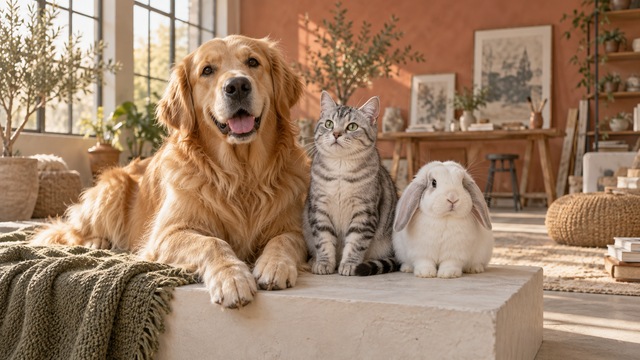
How To Shape Your Prompt For Pet
A useful prompt for pet images starts with observation. These pet portrait prompts help you separate identity, visual treatment, and composition so each change has a clear purpose. Choose one direction, make it personal, and review the result before adding more detail.

Choose Your Prompt For Pet
Choose a prompt for pet images by deciding what the portrait should communicate: quiet companionship, mischievous curiosity, or a grand sense of occasion. Read pet portrait prompts for their structure before copying individual adjectives. Describe species, breed when known, coat pattern, eye color, ear shape, and an observable expression. For a realistic pet portrait, note the direction of the light and the distance between the camera and the animal. Avoid guessing a breed from appearance alone; a clear physical description often says more. Keep your prompt for pet focused on one main subject and one readable idea.

Personalize Pet Portrait Prompts
Personalize your prompt for pet images with details that distinguish your companion from similar animals. A white chin, uneven facial stripe, folded ear, or favorite resting pose can guide the brief. Adapt pet portrait prompts by changing the background and medium while keeping those details together. If your selected generator accepts references, use a clear photograph with unobstructed eyes and explain what should remain recognizable. For a watercolor pet portrait, specify paper texture and translucent washes instead of photographic gloss. Your prompt for pet should describe the desired change without promising that every marking will be reproduced exactly.

Use It, Copy It, And Refine
On a Prompt card, choose Use It to open the corresponding image generation page, or choose Copy It to copy that card’s prompt text. Then adapt your prompt for pet before generating. The article examples explain creative directions; card controls belong to the Prompt gallery. With pet portrait prompts, change one important detail at a time so you can judge the effect. Compare eyes, muzzle, paws, ears, and coat markings against your intention. Keep the useful parts of your prompt for pet and simplify any conflicting instructions. Save the wording that produced your preferred composition alongside the image for later reference.
Prompt For Pet Portraits With A Personal Touch
Start your prompt for pet with one of three distinct visual treatments. These pet portrait prompts pair a concrete scene with practical adaptation advice. Every displayed artwork is an illustrative creative example, rather than a guaranteed result from a particular model.
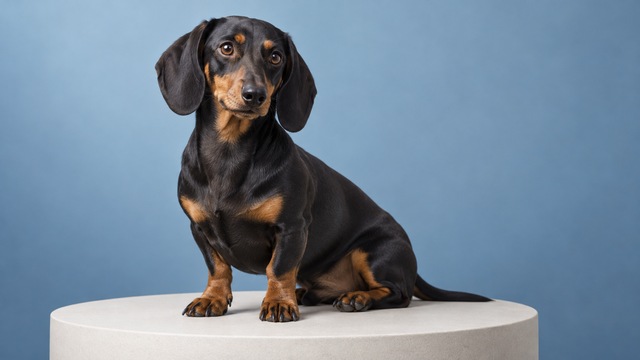
A Realistic Pet Portrait In Studio Light
A studio prompt for pet works best when the animal remains the center of attention. Begin with this scene: a black-and-tan dachshund sits on a pale curved plinth against a dusty blue backdrop, photographed at eye level from a slight three-quarter angle. Soft light falls from the upper left, revealing short fur, warm brown eyes, and a delicate shadow beneath the paws. Keep ears fully inside the frame and leave space around the silhouette. Adapt these pet portrait prompts with your companion’s actual proportions, coat, and expression. A realistic pet portrait should still feel like an animal with texture, rather than a polished plastic figure. In your prompt for pet, request natural fur direction and a calm, alert pose. Review the nose, eye reflections, and outline of each ear before changing the backdrop. These pet portrait prompts suit a clean profile image or a simple personal keepsake; adjust framing separately for the final format.
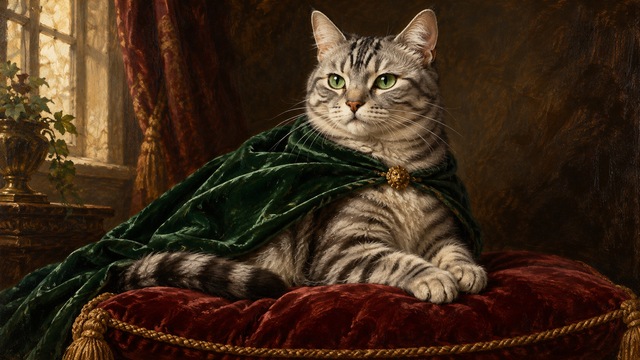
A Royal Pet Portrait With Character
Give your prompt for pet a ceremonial mood without hiding the face under accessories. Picture a green-eyed silver tabby seated on an oxblood velvet cushion, wearing an emerald shoulder cape fastened with a small gold clasp. Warm side light separates the striped forehead from a dark umber background. Request layered oil brushwork and visible canvas texture for a royal pet portrait that feels deliberately painted. Adapt pet portrait prompts by changing the cape, cushion, or palette while preserving the animal’s recognizable head shape. Keep the costume simple enough that paws and ears remain readable. Your prompt for pet can describe a dignified posture without requiring a human body or hands. For a royal pet portrait of a dog, specify its natural sitting position and where the fabric rests. Review these pet portrait prompts for contradictions: a loose painted finish and microscopic photographic detail can pull the image in different directions.
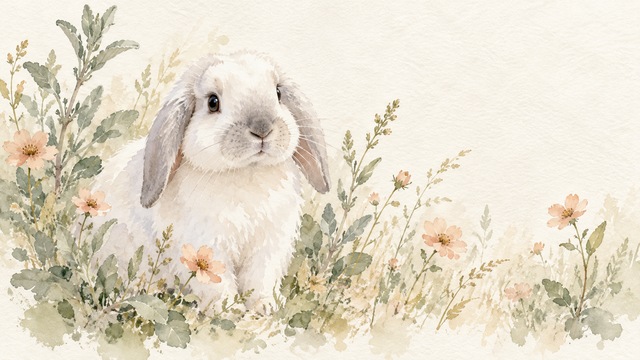
A Watercolor Pet Portrait With Soft Texture
A gentle prompt for pet can turn a familiar expression into a quiet painted study. Imagine a white lop rabbit with a soft gray nose among sparse sage stems and pale peach meadow flowers. Ask for translucent pigment, textured ivory paper, soft edges around the body, and a more carefully defined face. This watercolor pet portrait uses empty space to keep the small animal prominent. Personalize pet portrait prompts with the rabbit’s ear position, your cat’s distinctive nose, or your dog’s uneven white socks. Keep the flower arrangement light enough that it does not overwhelm the subject. In your prompt for pet, name a restrained palette and one medium instead of several competing painting styles. A watercolor pet portrait can remain expressive without depicting every hair. Compare these pet portrait prompts with the result at a small size first, then inspect eye placement and whiskers before deciding what to refine.
Take Your Prompt For Pet Into New Worlds
Explore pet portrait prompts that move beyond a formal sitting. A prompt for pet can suggest a cinematic moment, a storybook errand, or a tactile toy concept while keeping the subject and visual language easy to understand.
A Cinematic Prompt For Pet
Tell A Small Story Through Light
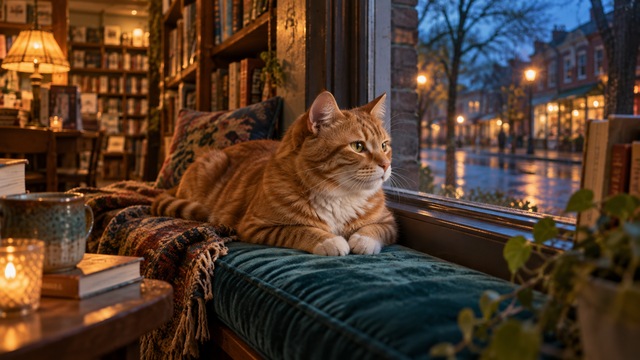
Set your prompt for pet inside a recognizable moment: an orange tabby rests on a teal velvet window seat in a neighborhood bookstore at dusk. Amber window light meets cool evening reflections, while distant books soften into the background. Describe the white chin, relaxed paws, and curious gaze before adding atmospheric details. These pet portrait prompts give the scene a purpose through the animal’s attention. For a realistic pet portrait, retain believable fur, a natural spine, and consistent light across the face. Simplify your prompt for pet if shelves, reflections, and decorative objects compete with the expression. Keep book covers free of readable lettering when typography is unnecessary. Adapt pet portrait prompts with a favorite chair, familiar blanket, or ordinary corner of your home to create a scene with a more personal connection.
A Cartoon Pet Portrait With A Story
Give Your Companion A Playful Errand
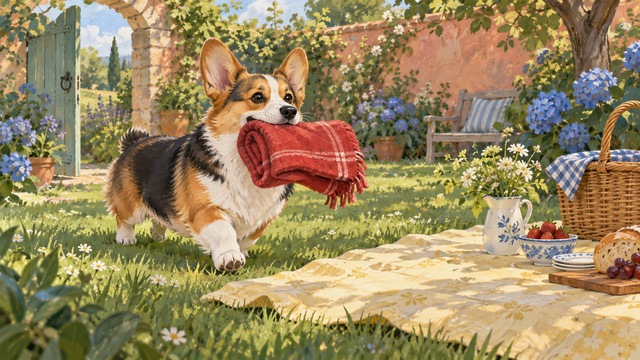
Use a prompt for pet illustration to connect personality with a simple action. Picture a tricolor corgi carrying a folded red blanket toward a garden picnic, with a pale yellow cloth, wicker basket, peach wall, and a few blue flowers. Request matte gouache texture, clear shapes, and light pencil detail. A cartoon pet portrait becomes more expressive when the viewer understands what the animal is doing. Personalize these pet portrait prompts with a favorite object and a setting that supports the action. Keep your prompt for pet consistent about short legs, upright ears, and a white chest if those details identify the character. For a small illustrated series, repeat the same description and palette. Review pet portrait prompts for crowded props and remove anything that obscures the face or makes the silhouette difficult to read.
A Plush Prompt For Pet Collectibles
Explore Fabric, Shape, And Expression
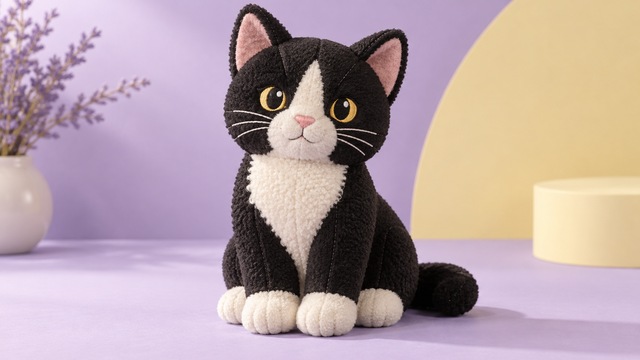
Translate your prompt for pet into an original toy concept: a black-and-white tuxedo cat sits on a pale lilac tabletop, with boucle fabric, a stitched pink nose, embroidered gold eyes, and visible seams. Soft studio light reveals the material while a gentle contact shadow anchors the figure. These pet portrait prompts describe a visual concept, not a manufactured product or a purchasable collectible. A cartoon pet portrait can use simplified proportions while retaining the white chest and paw pattern that make the character recognizable. In your prompt for pet, specify one tactile material family and avoid mixing glossy plastic with soft fabric unless that contrast is intentional. Revisit pet portrait prompts after checking the outline at thumbnail size. Keep packaging and labels out of the scene so the expression, stitching, and silhouette carry the idea.
Who Can Use A Prompt For Pet?
Adapt pet portrait prompts around the image’s purpose. A thoughtful prompt for pet can help owners, illustrators, creators, and small creative teams express an idea clearly before refining the finished artwork.

Pet Owners And Thoughtful Gift Makers
Choose a prompt for pet that reflects a companion’s familiar personality. Use pet portrait prompts to explore a quiet keepsake, birthday illustration, or playful portrait for your own collection. A watercolor pet portrait can suggest a gentle mood, while a royal pet portrait adds ceremony. Check the likeness before arranging a print, and confirm the exported resolution with your chosen printer.
Illustrators And Character Designers
Use a prompt for pet as an early brief for shape, pose, and expression. Adapt pet portrait prompts to test an original character’s palette or surroundings before developing your own artwork. A cartoon pet portrait gives you room to simplify features thoughtfully. Keep a record of consistent markings and review generated ideas critically as part of your creative process.
Social Creators And Pet Storytellers
Build a prompt for pet around one expression that reads clearly in a feed. These pet portrait prompts can support a cozy profile image, an illustrated announcement, or a seasonal story. A realistic pet portrait benefits from clean framing and uncluttered contrast. Leave space for any headline you intend to add later, then check the image in its actual crop.
Pet Brands And Creative Teams
Develop a prompt for pet around a clear visual brief and a specific audience. Use pet portrait prompts for mood exploration, campaign discussion, or an original mascot concept. Keep product details separate from imagined styling, and review any required brand accuracy before delivery. A cartoon pet portrait may clarify an approachable direction without representing a tested product or a real customer’s animal.
Creative Perspectives On Prompt For Pet
These fictional names and illustrative reactions describe possible creative uses. They are not verified customer endorsements.
I like how a focused prompt for pet starts with the features I recognize every day. These pet portrait prompts make the lighting and background easier to describe without losing sight of my dog’s expression.
A prompt for pet gives me a clear starting point for a character study. I find pet portrait prompts most useful when the pose and visual medium agree, leaving room for my own drawing decisions.
I appreciate a prompt for pet that keeps the face readable in a small image. The strongest pet portrait prompts give the subject enough breathing room and avoid a background crowded with unrelated props.
I value a prompt for pet as a compact brief I can discuss with a team. Comparing pet portrait prompts helps me explain a visual direction, then decide which details need another round of refinement.


Prompt For Pet: Frequently Asked Questions
Get practical answers about adapting pet portrait prompts, choosing useful references, and understanding what the finished examples can show.
Start your prompt for pet with the animal’s species, visible markings, pose, setting, light, and intended medium. Add only details that change the image. For a realistic pet portrait, describe fur texture and a believable viewpoint. For painted pet portrait prompts, name the medium and the edges or brushwork you want. Request a composition suited to your final crop and remove conflicting directions before generating.
A prompt for pet can describe distinctive features, but text alone cannot guarantee a specific likeness. If your selected generator supports reference images, provide a clear photo and explain which details matter. Adapt pet portrait prompts with the actual coat pattern, eye color, and ear shape. Compare the result with the source, especially around the muzzle and eyes, and refine one mismatch at a time.
On a Prompt card, Use It opens the corresponding generation page, while Copy It copies that card’s prompt text. Customize your prompt for pet before running it. The article’s scene descriptions help you understand the ideas; individual card availability depends on the gallery. Image generation settings and any credit requirements belong to the selected generator. Displayed artwork illustrates a direction and does not guarantee an identical result.
Make Your Prompt For Pet Personal
Choose a prompt for pet that matches the personality you want to celebrate. Start with the clearest description of your companion, select one visual direction, and change the details that make the portrait yours. Keep your favorite wording as a reusable brief, then return with another setting, medium, or mood when a new idea arrives.
