
More AI Image Generators
Explore our collection of specialized AI image generators designed for different creative needs and styles







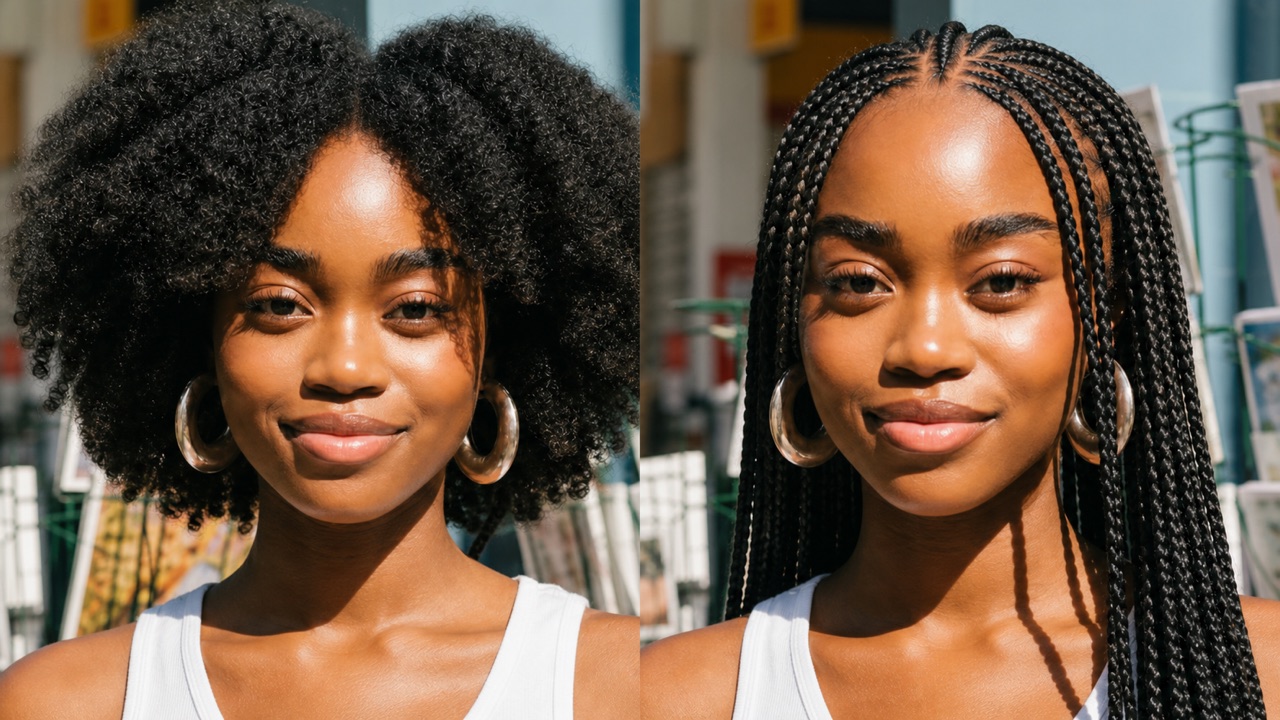
AI Braids
Preview braided hairstyles in one photo
Use AI Braids to transform an adult portrait into a realistic braided hairstyle preview. Compare the original and edited look side by side while keeping the face, expression, outfit, pose, and background recognizable.
How to Try AI Braids
Turn a clear adult portrait into a braided hair preview through three simple steps. AI Braids reads the face, hairline, head angle, clothing, and lighting, then creates a hairstyle that fits the original composition. AI Braids is a creative reference, not a guarantee of a real salon result.

Upload photo
Choose a sharp adult portrait with the full hairline, face, and shoulders visible. Even lighting and a simple background help AI Braids understand the head shape and preserve important facial details.

Click generate
Start the transformation and let AI Braids reinterpret the hairstyle. The effect can visualize options such as knotless braids, cornrows, braided bobs, and decorative braided looks while maintaining the portrait's overall structure.

Download
Review the Before and After comparison, inspect the hairline and braid details, then download the version you prefer. Show the preview to a stylist as inspiration, not as an exact technical specification.
Best AI Image Tools for Creative Projects
Explore creative tools for image, learn tips and tricks, and see how AI can be your assistant in turning concepts into finished projects.

Explore Braided Hairstyles Without Losing Your Look
AI Braids makes every hairstyle change easy to understand. Each feature image places the original portrait beside an AI Braids result, helping you compare length, color, braid size, framing, and mood at a glance.
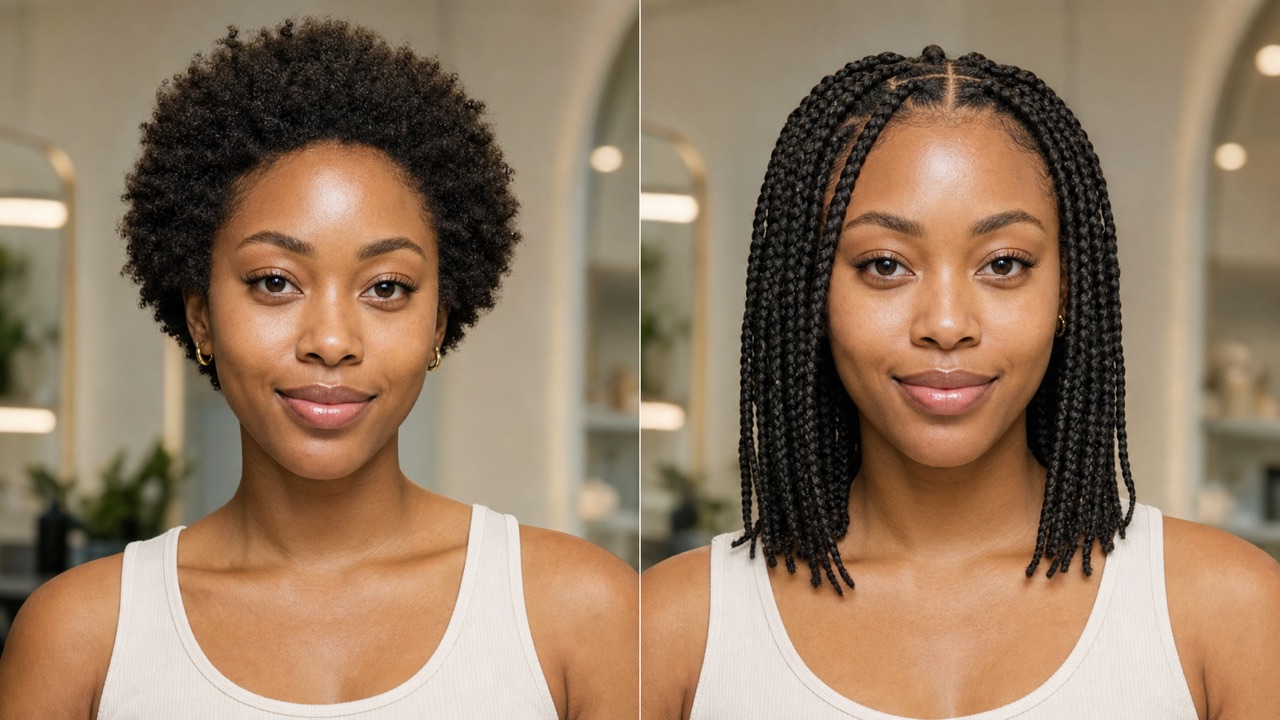
Preview Knotless Box Braids
Knotless box braids begin with a clean, lightweight-looking transition from the natural hairline. AI Braids visualizes this polished style while keeping the portrait recognizable. Upload a front-facing or gentle three-quarter photo so AI Braids can read the forehead, temples, cheeks, and shoulders. Compare how AI Braids changes length and framing: shoulder-length braids can feel crisp, while longer braids create drama. Dark braids feel classic, warm brown softens the look, and restrained highlights add dimension. Check the parting, hairline, ears, earrings, and braid edges. AI Braids may create small inconsistencies, so use the image as a concept. A professional braider can advise whether the size, length, color blend, and pattern suit your hair and maintenance preferences.
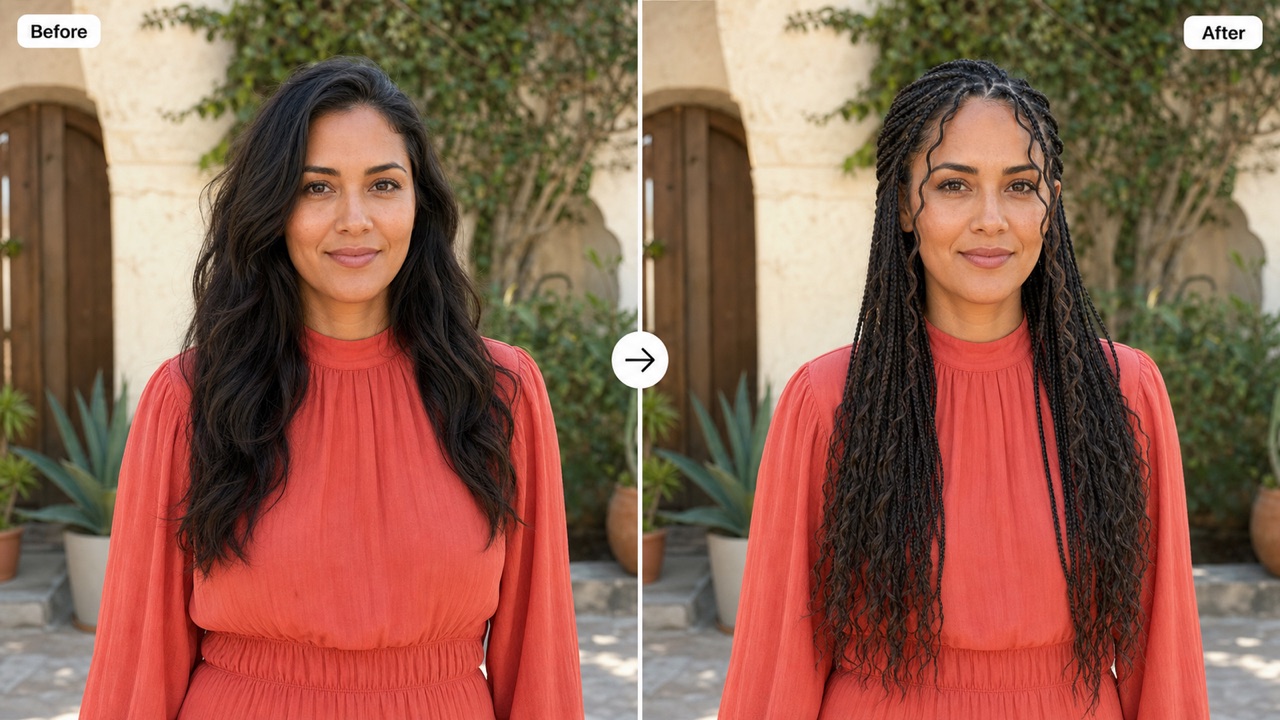
Try Bohemian and Goddess Braids
Bohemian braids combine structured plaits with loose curls for a softer outline. AI Braids helps you compare this textured finish with your original hair. Choose a portrait where hair does not cover the eyes, and keep the neckline clear so AI Braids can place curls and braid ends naturally. Study the balance between neat sections and free curls. More loose strands feel relaxed; fewer curls create definition. AI Braids can also test braid thickness, curl placement, parting, length, and color. Real styles respond to hair density, weather, products, sleep, and activity, factors AI Braids cannot measure. Bring an AI Braids comparison to an experienced stylist as a visual direction rather than expecting every strand to be copied literally.
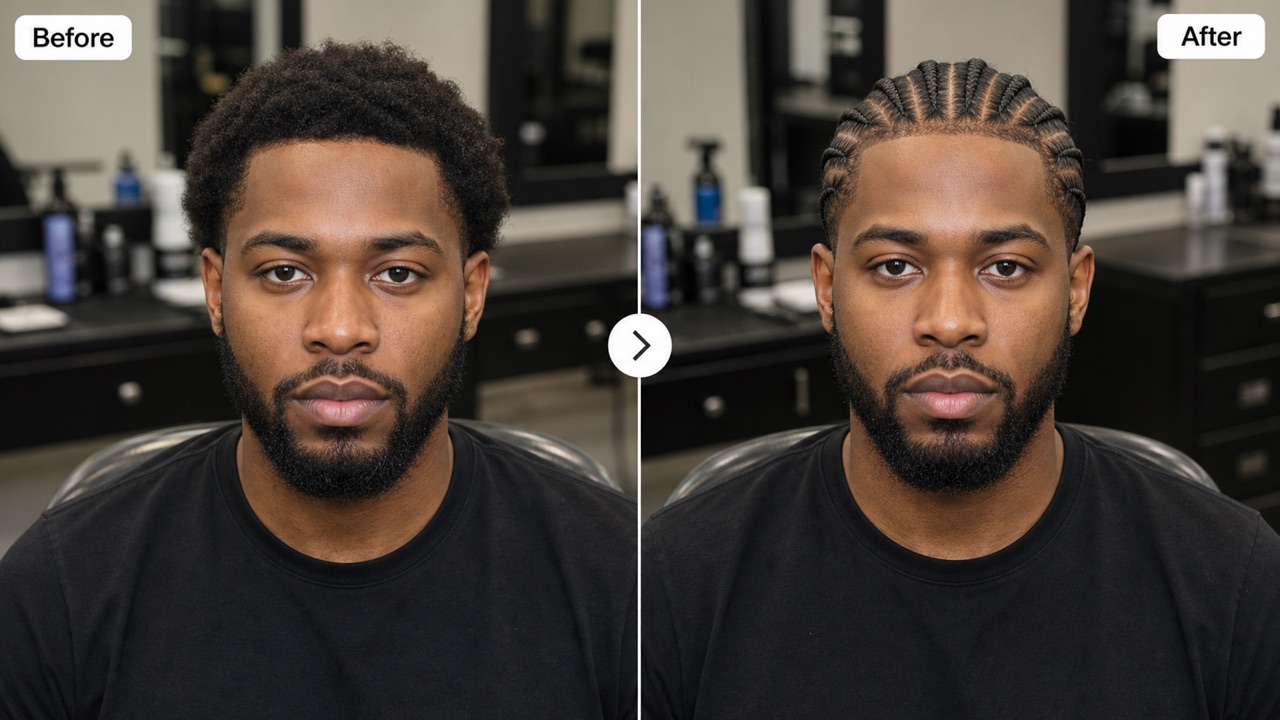
See How Cornrows Frame the Face
Cornrows create a close directional pattern that changes how the forehead, temples, and cheekbones are framed. AI Braids previews straight-back braids while preserving the face, shirt, pose, and setting. Upload a photo with the top and sides of the head visible; avoid hats, deep shadows, or hands over the forehead. Inspect whether AI Braids gives each row a consistent path and balanced sections. Compare fewer bold rows with more narrow braids, or a straight-back direction with a decorative pattern. Real cornrows depend on hair length, texture, density, scalp comfort, skill, and wear time. AI Braids cannot assess those factors. Use AI Braids to communicate the pattern and scale, then ask a qualified braider about feasibility, tension, preparation, and aftercare.
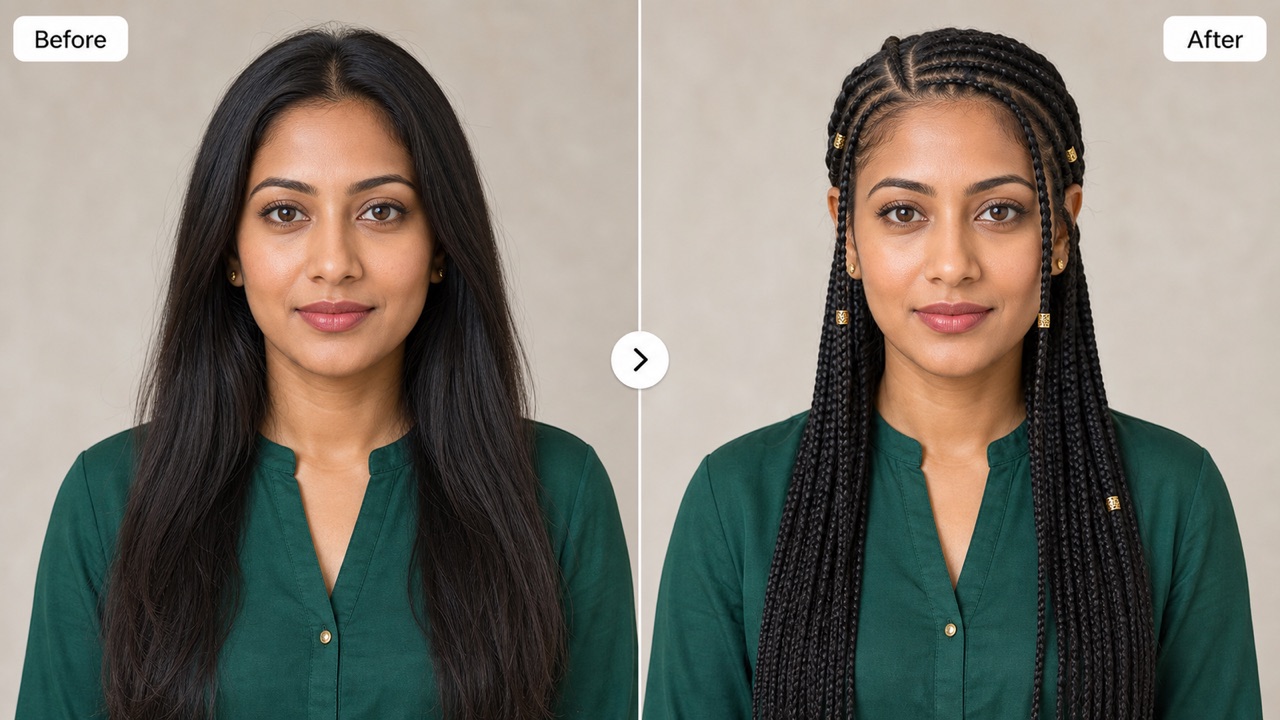
Experiment With Decorative Braided Details
Personalize braids with section patterns, side braids, cuffs, highlights, beads, and different lengths. AI Braids lets you explore these details before buying accessories or committing to a style. A centered portrait helps AI Braids compare symmetry; a three-quarter angle shows how braids sit around the ear and shoulder. Keep the outfit simple so accents remain readable. Check whether accessories complement the face. AI Braids may create ornaments that are not attached realistically, so inspect cuffs, beads, braid ends, and parting lines. AI Braids can also test a braided bob and show where its ends meet the jaw, chin, or shoulders. Discuss the preferred shape with a stylist who understands braid size, extensions, weight, and finishing technique. AI Braids is a styling sketch, not salon instructions.
Practical Ways to Use AI Braids
From salon consultations to character design, AI Braids turns a vague idea into a visible comparison. Use AI Braids responsibly: real results depend on the person, hair, stylist, materials, and care routine.

Prepare for a Salon Consultation
Use AI Braids to narrow a broad inspiration folder into one or two specific directions. Generate a comparison with the preferred braid size, length, parting, and color, then show it to a professional braider. Explain which elements matter most instead of asking for an exact copy of every generated strand. The stylist can assess your real hair and discuss preparation, extension options, tension, installation time, maintenance, and alternatives. A Before and After visual makes the conversation more concrete because it shows how the chosen silhouette relates to your face and shoulders. It does not replace an in-person assessment, patch test, strand evaluation, or professional judgment.
Compare Styles Before Choosing
Create several AI Braids previews from the same clear portrait and compare them under similar conditions. Try a compact braided bob, medium knotless braids, long bohemian braids, or close cornrows. Keeping the face, clothes, pose, and background consistent helps you focus on the hairstyle rather than unrelated image changes. Notice how the length interacts with your neckline, how the color relates to your skin tone and outfit, and whether the braid scale feels balanced. Save only the strongest options and use them as references. View each comparison at full size as well as from a distance. The close view reveals parting, edges, accessories, and possible generation errors, while the smaller view shows the overall silhouette. If two styles remain appealing, prepare a short list of priorities for your consultation: preferred length, maximum braid size, acceptable color range, maintenance expectations, and any accessories you want to avoid. Generated previews are subjective visualizations, so preference matters more than trying to identify one universally correct style.

Plan Fashion and Portrait Styling
Photographers, makeup artists, costume teams, and content creators can use AI Braids to explore a hairstyle direction before a planned shoot. A preview can help coordinate clothing necklines, jewelry, makeup, backdrops, and lighting around the shape of the hair. Use an approved adult model photo, label generated planning images clearly, and keep them within the production team unless broader sharing is authorized. The final hairstyle should be agreed with the model and stylist. AI Braids can support a mood board, but it cannot account for preparation time, comfort, movement, durability, or how real materials respond under studio lights.

Develop Fictional Characters
Artists, writers, role-players, and game creators can test braided hairstyles on an adult character portrait while retaining the established face and costume. Different patterns immediately shift the character's visual rhythm: cornrows can create a close graphic structure, box braids add length and repetition, and decorative cuffs introduce small points of contrast. Use AI Braids to create reference directions, then refine the final design in your chosen medium. When the source depicts a real person, obtain permission before transforming or publishing the portrait. Avoid treating any braid style as a shortcut for personality, culture, or background; build the character through thoughtful writing and research as well as appearance.
How Creatives Might Use the Preview
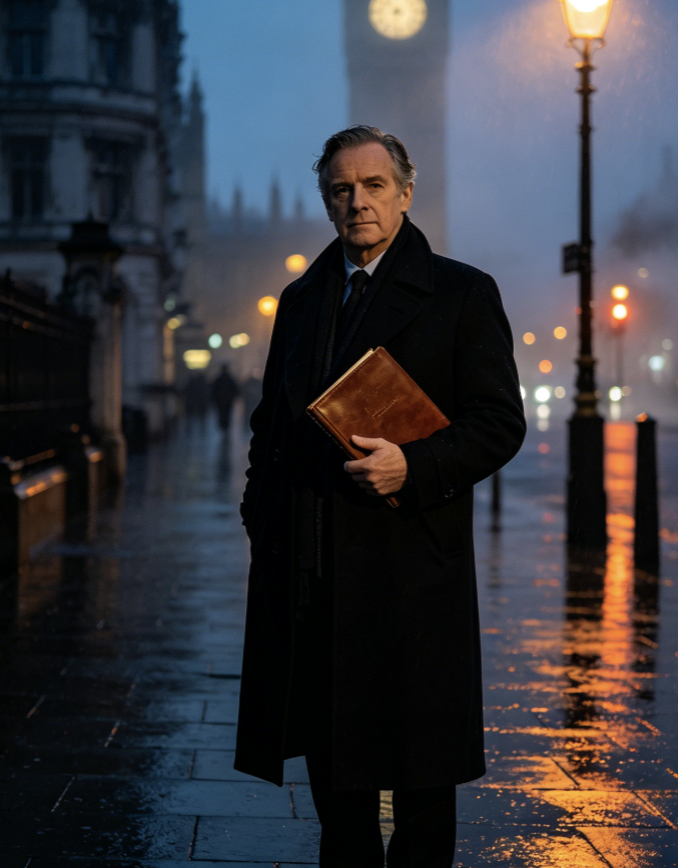
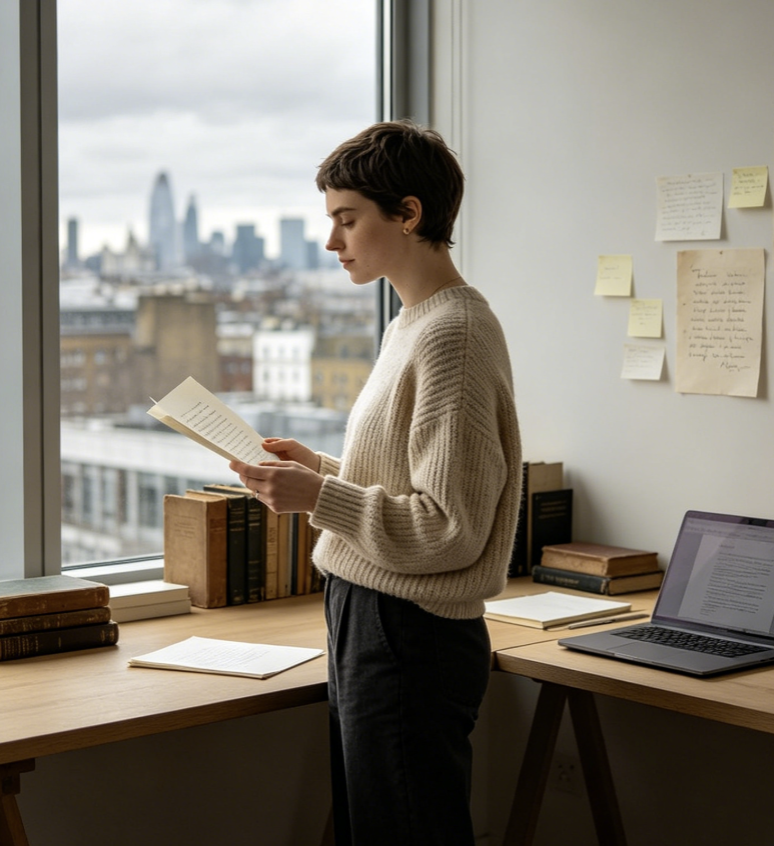
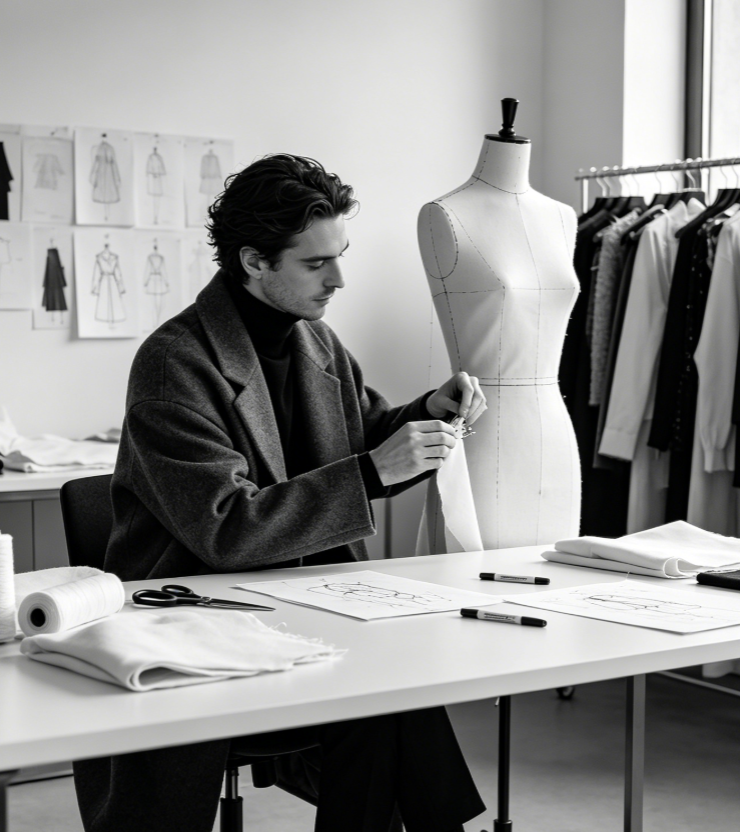
These portraits and comments are illustrative examples, not verified customer reviews or evidence of typical results.
The side-by-side layout helped me focus on braid length and how the style framed my face. I used an AI Braids image as a conversation starter and asked my stylist which parts were realistic for my hair and schedule.
I compared a polished knotless look with softer bohemian braids for an event mood board. Keeping the portrait identical on both sides made the texture change much easier to evaluate.
The cornrow preview gave me a clear pattern reference without pretending to replace a barber or braider. I checked the hairline details and used the result to describe the row size I preferred.
I used AI Braids to test subtle cuffs and different section directions for a character concept. The comparison was useful because the expression, blouse, and lighting stayed consistent.
A braided bob looked very different from my usual haircut, and AI Braids comparison made that difference immediately understandable. I treated AI Braids as inspiration rather than a promise of an exact salon result.
AI Braids helped me compare clean box braids with a decorative braided crown for a portrait concept. I liked that AI Braids kept the expression and lighting recognizable while changing the hairstyle direction.



AI Braids FAQ
Answers to common questions about creating and using braided hairstyle previews.
AI Braids is a creative photo effect that changes the visible hairstyle in an adult portrait to a braided look. It can help you explore visual options such as box braids, bohemian braids, cornrows, and braided bobs while preserving the rest of the image.
Use a sharp, well-lit adult portrait with the face, hairline, top of the head, and shoulders visible. Avoid hats, heavy shadows, motion blur, hands over the hair, and tight crops. A simple background helps the generated braid edges remain clear.
No. The result is a generated visual concept. Real outcomes depend on hair length, texture, density, scalp condition, extensions, braid size, stylist technique, maintenance, and many other factors. Ask a qualified stylist for personalized advice.
You can create visual variations with different lengths, braid sizes, section patterns, and color directions. Compare the previews with the same source photo so the hairstyle remains the main changing element. Confirm real materials and feasibility with a stylist.
Use another adult's portrait only with their permission, especially if you plan to publish or share the generated result. Do not use AI Braids for impersonation, harassment, misleading advertising, or edits involving minors without appropriate authorization.
Use it as a styling reference, mood-board element, or salon conversation aid. Inspect the hairline, parting, accessories, ears, and braid ends for generated errors. Label public images as AI-generated when the context could otherwise be misleading.
Find Your Next Braided Look
Upload a clear adult portrait, explore AI Braids, and compare the original hairstyle with a new braided preview in one image. Save your favorite direction and bring it to a stylist for a practical conversation.
